ND-11 Compressor Oil – The Complete Buying and Usage Guide
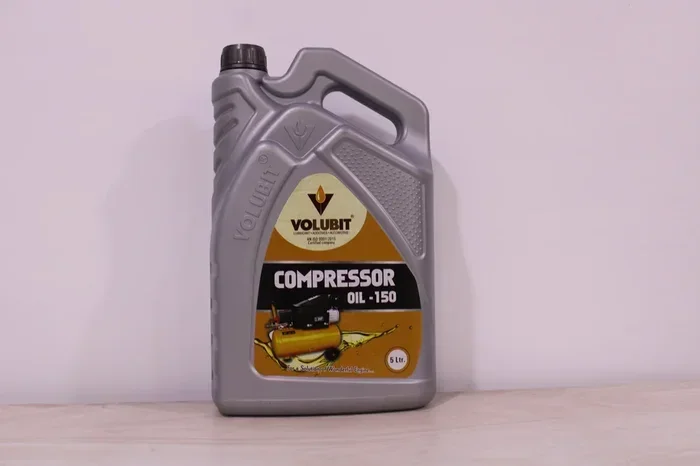
ND-11 compressor oil is a trusted lubricant designed for rotary screw and reciprocating compressors. It keeps your machine running smooth, cool, and efficient. In this guide, you will learn what ND-11 is, how to choose the right grade, and how to use it safely.
ND-11 compressor oil is one of those things that seems simple until you actually need to pick some up. You walk into a store, see a wall of compressor oils, and suddenly you are not sure what you are looking for. This guide is here to take all the guesswork out of the process.
Whether you run a small shop compressor or a large industrial unit, choosing the right oil matters. The wrong lubricant can cause overheating, premature wear, and costly repairs. ND-11 is a popular choice because it is reliable, widely available, and designed to handle tough conditions. Let us dive into everything you need to know about this compressor oil.
Key Takeaways
- ND-11 compressor oil is a premium mineral-based lubricant built for industrial and home compressors.
- It offers excellent thermal stability, which means it handles high heat without breaking down.
- Using the wrong oil can damage your compressor and void the warranty.
- You should check oil levels regularly and change the oil on a set schedule.
- ND-11 works well in most standard compressors but always check your owner’s manual first.
- Buying from a trusted source ensures you get genuine product, not a low-quality substitute.
- Proper storage and handling extend the life of your compressor oil significantly.
📑 Table of Contents
- What Is ND-11 Compressor Oil?
- Why Use ND-11 Compressor Oil?
- ND-11 Compressor Oil Specifications
- How to Choose the Right ND-11 Compressor Oil
- How to Use ND-11 Compressor Oil
- Common Mistakes to Avoid with ND-11 Compressor Oil
- Where to Buy ND-11 Compressor Oil
- ND-11 Compressor Oil Frequently Asked Questions
- Final Thoughts
What Is ND-11 Compressor Oil?
ND-11 is a mineral-based compressor oil formulated for use in rotary screw and reciprocating compressors. It is not a generic oil. It is specifically engineered to handle the unique demands that compressors place on lubricants. Compressors generate a lot of heat and pressure, and regular motor oil simply cannot handle that environment.
The “ND” in ND-11 stands for a specific formulation grade. The “11” refers to the viscosity grade, which tells you how thick or thin the oil is at different temperatures. This oil has a medium viscosity that flows well at startup but stays stable under heavy use.
Unlike general-purpose oils, ND-11 contains anti-wear additives and oxidation inhibitors. These extras help the oil last longer and protect your compressor internals. If you are wondering what compressor oil is in general, this article breaks down the basics of compressor oils and explains why they differ from regular engine oil.
Key Properties of ND-11
- Viscosity Grade: ISO 46 or equivalent, depending on the manufacturer.
- Base Oil Type: Mineral oil with anti-oxidation additives.
- Operating Temperature Range: Typically -10°C to 100°C (14°F to 212°F).
- Color: Amber to light brown when new.
- Odor: Mild petroleum scent, not overly harsh.
Why Use ND-11 Compressor Oil?
You might be thinking, “Can I just use any oil in my compressor?” The short answer is no. Compressors work differently than car engines. They compress air, which generates intense heat. That heat breaks down regular oil fast. ND-11 is built to resist that heat and keep your compressor running smoothly.
Here are the main reasons to choose ND-11 for your compressor:
- Thermal Stability: It does not break down easily under high heat. This means fewer oil changes and less buildup inside your machine.
- Anti-Wear Protection: The additives coat metal surfaces and reduce friction. This extends the life of your compressor’s internal parts.
- Foam Resistance: Compressors churn air constantly. ND-11 resists foaming, which keeps lubrication consistent.
- Corrosion Prevention: It contains rust inhibitors that protect metal components from moisture damage.
- Compatible with Seals: ND-11 works well with standard compressor seals and gaskets without causing swelling or degradation.
Using a quality air compressor lubricant like ND-11 can also improve energy efficiency. A well-lubricated compressor runs cooler and uses less electricity. Over time, that adds up to real savings on your energy bill.
ND-11 Compressor Oil Specifications
Understanding the technical specs helps you make sure ND-11 is the right fit for your machine. Different manufacturers may label their ND-11 oil slightly differently, but the core specs remain consistent.
Viscosity and ISO Ratings
Viscosity is the most important spec for any compressor oil. It determines how well the oil flows at different temperatures. ND-11 typically has an ISO viscosity grade of 46. This means it falls into the medium viscosity category.
At low temperatures, the oil flows easily enough for a smooth startup. At high temperatures, it stays thick enough to maintain a protective film between moving parts. This balance is what makes ND-11 so reliable.
Typical ND-11 Oil Specs
- ISO Viscosity Grade: 46
- Density: Approximately 0.88 to 0.90 g/cm³ at 40°C
- Flash Point: Around 200°C (392°F)
- Pour Point: Below -15°C (5°F)
- Acid Number: Less than 0.3 mg KOH/g
ND-11 vs Other Compressor Oils
Not all compressor oils are the same. Some are synthetic, some are semi-synthetic, and some are mineral-based. ND-11 is mineral-based, which makes it affordable and widely compatible. Synthetic oils offer better performance at extreme temperatures but cost more.
If you are curious about what kind of oil goes in an air compressor, this guide covers the different oil types and helps you compare options. ND-11 sits in the middle of the pack — it is not the cheapest, and it is not the most expensive. But it delivers solid performance for most standard compressors.
How to Choose the Right ND-11 Compressor Oil
Buying ND-11 compressor oil sounds straightforward, but there are a few things you should keep in mind. Not every bottle labeled “ND-11” is the same quality. Here is how to make sure you get the right product.
Check Your Compressor Manual First
This is the most important step. Your compressor’s owner manual will tell you exactly which oil to use. Some compressors require ND-11 specifically. Others may need a different ISO grade. Using the wrong oil can void your warranty and cause damage.
If you do not have the manual anymore, check the manufacturer’s website. Most brands publish PDF versions of their manuals for free.
Buy from Authorized Dealers
Counterfeit or diluted compressor oils are a real problem. They may look right on the label but perform poorly. Always buy from authorized dealers or trusted suppliers. This ensures you are getting genuine ND-11 oil with the proper additive package.
Consider the Size You Need
ND-11 compressor oil comes in various container sizes. Small compressors may only need 1 to 2 liters. Larger industrial units can require 10 to 20 liters or more. Buy only what you need for a full oil change plus a little extra for top-ups.
Storing extra oil properly is also important. Keep it in a cool, dry place away from direct sunlight. Heat and moisture can degrade the oil over time, even in a sealed container.
Price vs Quality
ND-11 compressor oil typically costs between $15 and $40 per liter, depending on the brand and quantity. The cheapest options are tempting, but they often cut corners on additive quality. A slightly higher price usually means better protection and longer oil life.
How to Use ND-11 Compressor Oil
Using ND-11 compressor oil correctly is just as important as choosing the right oil. A good oil in the wrong amount or applied incorrectly will not protect your compressor properly. Here is a step-by-step walkthrough.
Step 1: Prepare Your Compressor
Before you add oil, make sure your compressor is turned off and unplugged. Let it cool down for at least 15 minutes. This prevents burns and ensures the oil level reading is accurate.
If this is an oil change rather than a top-up, you will also need to drain the old oil completely. Place a catch pan under the drain valve and let the old oil flow out fully.
Step 2: Check the Oil Level
Locate the oil sight glass or dipstick on your compressor. The oil level should be between the minimum and maximum marks. If the oil is below the minimum line, you need to add more. If it is above the maximum line, you have too much oil, which can cause foaming and poor performance.
Step 3: Add the Oil Slowly
Pour the ND-11 oil in slowly through the fill port. Use a funnel to avoid spills. Add small amounts at a time and check the level frequently. It is easy to overfill, and that causes its own set of problems.
After adding oil, run the compressor for a few minutes. Then turn it off and check the level again. The oil will settle, and you may need to add a little more.
Step 4: Dispose of Old Oil Properly
Do not dump old compressor oil down the drain or in the trash. It is a petroleum product and must be disposed of properly. Take it to a local recycling center or auto parts store that accepts used oil.
How Often Should You Change ND-11 Oil?
Most compressor manufacturers recommend changing the oil every 1,000 to 2,000 operating hours. For home users, this typically means once or twice a year. Heavy-duty users may need to change it more frequently.
If you want to learn more about maintaining your compressor’s oil system, this article covers how often to drain and maintain your air compressor in detail.
Common Mistakes to Avoid with ND-11 Compressor Oil
Even experienced compressor owners make mistakes with oil. Here are the most common ones and how to avoid them.
- Mixing Oil Types: Do not mix ND-11 with synthetic or different-grade compressor oils. This can reduce the effectiveness of both oils and create harmful deposits.
- Overfilling: Too much oil causes foaming, which reduces lubrication and can damage the compressor.
- Ignoring Oil Changes: Old oil loses its protective properties. Skipping oil changes leads to faster wear and higher repair costs.
- Using Automotive Oil: Car engine oil is not designed for compressors. It lacks the right additives and can cause serious damage.
- Neglecting Oil Leaks: If you notice oil spots under your compressor, fix the leak promptly. Running low on oil can destroy your compressor quickly.
Quick Tips for ND-11 Users
- Check the oil level before every use.
- Keep a log of your oil change dates and running hours.
- Use the same brand of ND-11 oil consistently for best results.
- Clean the oil fill area before opening the cap to prevent contamination.
- Store oil containers upright in a sealed area away from dust.
Where to Buy ND-11 Compressor Oil
ND-11 compressor oil is available at many hardware stores, industrial supply shops, and online retailers. Popular places to buy include Amazon, Home Depot, Lowe’s, and specialized compressor parts dealers.
When shopping online, make sure to verify the seller’s reputation. Read customer reviews and check that the product matches the official ND-11 specifications. If the price seems too good to be true, it probably is.
For those who run their compressor daily, buying in bulk can save money. Many suppliers offer 5-gallon drums or 55-gallon drums at discounted rates. Just make sure you have proper storage for larger quantities.
ND-11 Compressor Oil Frequently Asked Questions
Here are some common questions people ask about ND-11 compressor oil:
Can I use ND-11 in a refrigerator compressor?
No. Refrigerator compressors require a specific type of refrigeration oil, such as POE or PAG oil. ND-11 is designed for air compressors only. Using the wrong oil in a refrigeration system can cause serious damage and void the warranty.
Is ND-11 compressor oil food-grade?
Standard ND-11 compressor oil is not food-grade. If you need oil for a compressor used in food processing or beverage operations, look for a specially formulated food-grade lubricant. Always check with the manufacturer to confirm compatibility.
How long does a bottle of ND-11 oil last?
A 1-liter bottle of ND-11 oil can last anywhere from 6 months to 2 years, depending on how often you use your compressor and how well you maintain it. Light home use will stretch the oil much further than continuous industrial use.
Can ND-11 be used in both rotary screw and piston compressors?
Yes. ND-11 is formulated to work in both rotary screw and reciprocating (piston) compressors. However, always double-check your compressor’s manual to confirm compatibility before using any oil.
What happens if I use too much ND-11 oil?
Overfilling causes the oil to foam, which reduces its ability to lubricate properly. It can also lead to increased pressure inside the compressor, oil leaks, and eventually mechanical damage. Always keep the oil level between the minimum and maximum marks.
Is ND-11 oil the same as other compressor oil brands?
ND-11 is a specific formulation grade used by several compressor manufacturers. While other brands may offer similar products, ND-11 has its own unique additive package and viscosity characteristics. Always match the oil to your compressor’s requirements rather than assuming all compressor oils are interchangeable.
Final Thoughts
ND-11 compressor oil is a solid, reliable choice for most standard compressors on the market today. It offers great protection, good thermal stability, and reasonable pricing. Whether you are a DIY homeowner or a shop owner, this oil gets the job done.
The key is to use it correctly. Check your oil levels regularly, change the oil on schedule, and never mix oil types. These simple habits will keep your compressor running smoothly for years to come.
Remember, your compressor is only as good as the oil inside it. Take the time to choose the right lubricant, and your machine will reward you with dependable performance and a long service life. If you are still deciding which oil to use, this guide on what type of oil goes in an air compressor can help you make a confident choice.
Take care of your compressor, and it will take care of you. Start with ND-11 compressor oil and feel the difference in performance and reliability.