Air Compressor Manual The Ultimate Beginner Friendly Guide
The air compressor manual is your essential roadmap to safe and effective operation. Whether you just bought a portable unit or a larger stationary model, this guide breaks down every section of the manual in plain language. You will learn setup steps, safety rules, maintenance tips, and common troubleshooting tricks that every beginner needs to know.
You just unboxed your new air compressor, and there it is — that thick booklet sitting on top of the machine. You might be tempted to toss it in a drawer and start using the tool right away. But hold on. That little booklet is one of the most important resources you will ever get with your equipment.
The air compressor manual is not just a stack of legal paperwork. It is a detailed guide written by the people who built your machine. It tells you exactly how to set it up, run it safely, and keep it working for years. Whether you are a DIY hobbyist or a first-time shop owner, reading and understanding your manual will save you time, money, and a whole lot of frustration.
In this guide, we are going to walk through every important part of the air compressor manual step by step. We will explain what each section means, why it matters, and how to use it in real-world situations. By the end, you will feel confident opening that manual and getting the most out of your compressor.
Key Takeaways
- Your manual is the best resource: It contains model-specific safety rules, setup steps, and maintenance schedules that no generic guide can replace.
- Proper setup prevents problems: Following the manual’s installation instructions avoids damage, extends lifespan, and keeps you safe.
- Regular maintenance is simple: Draining the tank, checking oil levels, and cleaning filters take only minutes but save big repair costs later.
- Safety comes first: The manual outlines critical safety features like pressure relief valves and kill switches that protect you from injury.
- Troubleshooting starts in the manual: Most common issues have clear solutions listed in the manual’s troubleshooting section.
- Know your specs: Understanding PSI, CFM, and tank size helps you match your compressor to the right tools and tasks.
📑 Table of Contents
- Why Your Air Compressor Manual Matters
- How to Find the Right Manual
- Understanding the Key Sections of the Manual
- Getting Started: Your First Time Using the Compressor
- Common Mistakes Beginners Make
- Maintenance Tips to Keep Your Compressor Running Strong
- How to Choose the Right Compressor for Your Needs
- When to Refer to the Manual for Troubleshooting
- Final Thoughts
Why Your Air Compressor Manual Matters
Some people think the manual is just a formality. After all, how hard can it be to plug in a machine and flip a switch? But air compressors are more complex than they look, and skipping the manual can lead to costly mistakes.
Here is why your manual deserves a spot on your desk, not in a junk drawer:
- It contains model-specific information. Every compressor is different. The manual gives you exact details about your specific machine, including its rated PSI, CFM output, oil requirements, and recommended attachments.
- It keeps you safe. Compressors store pressurized air, which can be dangerous if handled incorrectly. The manual outlines all safety warnings, proper ventilation needs, and emergency shutdown procedures.
- It protects your warranty. Many manufacturers require you to follow the manual’s guidelines. If something goes wrong and you ignored the instructions, your warranty may not cover the repair.
- It helps you troubleshoot. Instead of guessing why your machine is making a strange noise or failing to build pressure, the manual’s troubleshooting section gives you clear answers.
Think of the manual as your compressor’s best friend. It is always there when you need answers, and it was written by the people who know the machine better than anyone.
How to Find the Right Manual
If you lost your physical copy or bought a used compressor without one, do not worry. Most manufacturers post digital versions of their manuals online. Here is how to track yours down:
Check the Manufacturer’s Website
Go to the brand’s official website and look for a “Support” or “Manuals” section. Enter your model number, which you can usually find on a sticker near the motor or on the tank. Download the PDF and save it on your phone or tablet so you can pull it up anytime.
Search by Model Number
If the brand’s site does not have your manual, try searching the model number on Google along with the word “manual.” You will often find the document hosted on third-party sites or forums. Just make sure the manual matches your exact model.
Contact Customer Support
When all else fails, call or email the manufacturer’s customer service team. They are usually happy to send you a free digital copy. Have your model and serial number ready to speed up the process.
Once you have the manual, take a few minutes to flip through it before you even plug the machine in. You will thank yourself later.
Understanding the Key Sections of the Manual
Most air compressor manuals follow a similar structure. Once you know where to look, finding the information you need becomes second nature. Let us break down the main sections you will encounter.
1. Safety Warnings and Precautions
This is usually the first section, and for good reason. The safety section covers everything from proper electrical connections to wearing protective gear. Pay close attention to warnings about overpressurizing the tank, running the compressor in enclosed spaces, and using the correct power source.
For example, most manuals warn against using an extension cord that is too thin or too long, which can cause overheating. If you are unsure about your cord choice, check out our guide on what gauge extension cord for air compressor to make sure you are using the right one.
2. Parts Diagram and Component List
The manual includes a labeled diagram of all the major parts. You will see the tank, motor, pressure switch, regulator, drain valve, and intake filter. Knowing the names and locations of these parts makes troubleshooting much easier later on.
Take a moment to study this diagram. Point to each part and say its name out loud. It sounds silly, but this simple exercise helps you remember where everything is when you need to find it fast.
3. Setup and Installation Instructions
This section walks you through unboxing, assembling, and positioning your compressor. It covers how to attach wheels, connect hoses, and ensure the unit is level and stable. Following these steps exactly prevents damage during your first run.
If you want a deeper dive into the setup process, our how to set up an air compressor guide offers step-by-step instructions that pair perfectly with your manual.
4. Operating Instructions
The operating section tells you how to turn the machine on and off, how to adjust the pressure, and how to connect pneumatic tools. It explains what each button and dial does, so you are never guessing. This is also where you will find information about the maximum PSI and CFM ratings.
Understanding these numbers is crucial. PSI (pounds per square inch) measures the pressure the compressor can deliver, while CFM (cubic feet per minute) measures the airflow. Matching these ratings to your tools ensures peak performance.
5. Maintenance Schedule
Every good manual includes a maintenance chart. This tells you how often to change the oil, clean the air filter, drain the tank, and inspect the hoses. Following this schedule keeps your compressor running smoothly and prevents unexpected breakdowns.
For tips on draining your tank properly, check out our article on how often to drain air compressor. It covers the frequency and technique in detail.
6. Troubleshooting Guide
The troubleshooting section is your go-to resource when something goes wrong. It lists common problems — like the compressor not building pressure, making unusual noises, or shutting off unexpectedly — and provides clear solutions for each one.
Before you call a repair technician, flip to this section first. You might find that the fix is as simple as checking the oil level or resetting a pressure switch.
Getting Started: Your First Time Using the Compressor
Now that you understand the manual, let us talk about actually using the machine for the first time. The air compressor manual will walk you through this process, but here are the key steps to keep in mind.
Step 1: Choose the right location. Place the compressor on a flat, stable surface in a well-ventilated area. Never run it indoors or in a closed garage without proper airflow. The motor needs fresh air to stay cool.
Step 2: Check the oil level. If your model is oil-lubricated, open the fill cap and check the dipstick. The oil should be between the minimum and maximum marks. Low oil can cause the motor to overheat and fail prematurely.
Step 3: Connect the hose. Attach the air hose to the outlet on the compressor. Make sure the fitting is tight and there are no leaks. A loose connection wastes air and reduces performance.
Step 4: Plug in and power on. Connect the power cord to a grounded outlet. If your manual recommends a specific outlet type, follow that advice exactly. Then flip the power switch and let the motor run.
Step 5: Set the pressure. Use the regulator dial to set the PSI to match your tool’s requirements. Never exceed the maximum PSI rated for your tool or the compressor’s tank.
For more detailed guidance on the startup process, our how to turn on air compressor article covers everything you need to know.
Common Mistakes Beginners Make
Even with the best manual, beginners sometimes make mistakes that cause problems. Here are the most common ones to avoid:
- Skipping the break-in period. Many compressors need a break-in run where you let them operate unloaded for a set time. Check your manual for specific instructions.
- Ignoring the drain valve. Moisture builds up in the tank every time you use the compressor. If you do not drain it regularly, the tank can rust from the inside out.
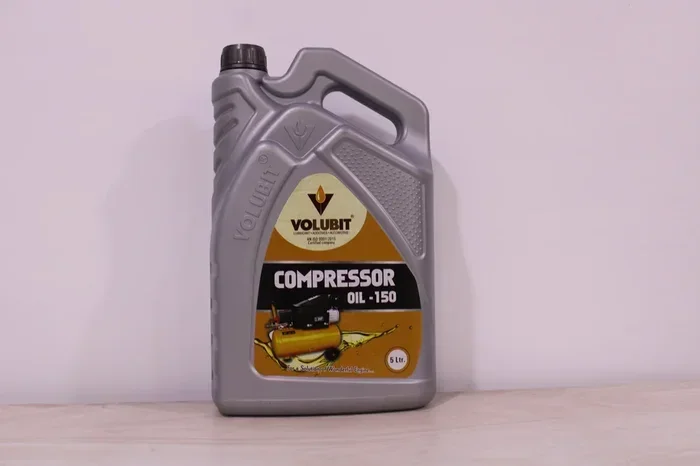
- Using the wrong oil. Not all compressors use the same type of oil. Some require synthetic oil, while others need standard compressor oil. Using the wrong kind can damage the motor.
- Overloading the compressor. Running too many tools at once can exceed the CFM rating, causing the motor to overheat and shut down.
- Neglecting filter changes. A clogged intake filter restricts airflow and forces the motor to work harder. Check and replace it according to the manual’s schedule.
Avoiding these simple mistakes will keep your compressor healthy and extend its life by years.
Maintenance Tips to Keep Your Compressor Running Strong
Regular maintenance is the secret to a long-lasting compressor. The good news is that most tasks take only a few minutes and can be done at home with basic tools.
Daily Checks
- Inspect the hose for cracks or leaks before each use.
- Check the pressure gauge to make sure it reads zero when the tank is empty.
- Listen for unusual sounds during operation.
Weekly Tasks
- Drain the tank to remove accumulated moisture.
- Wipe down the exterior to remove dust and debris.
- Check the oil level if your model requires it.
Monthly and Seasonal Tasks
- Clean or replace the air intake filter.
- Inspect all fittings and connections for wear.
- Check the pressure relief valve to ensure it releases properly.
- Store the compressor in a dry, covered area during off-seasons.
Following a simple maintenance routine means fewer surprise breakdowns and lower repair bills. Your compressor will reward you with reliable performance every time you need it.
How to Choose the Right Compressor for Your Needs
If you are still shopping for a compressor, the manual of any model you are considering can tell you a lot about its capabilities. But before you buy, you should understand what to look for.
Start by identifying your needs. Are you inflating car tires, powering nail guns, or running paint sprayers? Each task requires different PSI and CFM levels. A small portable compressor works great for tire inflation, while a larger unit with a bigger tank is better for painting or running multiple pneumatic tools.
If you need help deciding, our guide on how to choose an air compressor covers the key factors to consider, including tank size, motor type, and portability.
Also, consider the power source. Electric compressors are quieter and cleaner, making them ideal for indoor garage work. Gas-powered models offer more mobility and power, which suits outdoor construction sites.
When to Refer to the Manual for Troubleshooting
Even the best compressors occasionally have issues. The manual’s troubleshooting section is designed to help you diagnose and fix common problems quickly. Here are a few scenarios where the manual is your best friend:
- The compressor won’t start. Check the manual for a reset button or a thermal overload switch. It might be as simple as pressing a button or waiting for the motor to cool down.
- The tank won’t build pressure. This could be a leak, a faulty unloader valve, or a worn gasket. The manual often lists these causes and their solutions.
- The compressor runs constantly. If the machine never shuts off, the pressure switch might be malfunctioning, or there could be a leak in the system.
- Unusual vibrations or noise. Loose parts, low oil, or a damaged motor mount could be the culprit. The manual’s parts diagram helps you identify and address the issue.
Before you spend money on a repair technician, spend ten minutes with your manual. You might be surprised at how many problems you can solve yourself.
Final Thoughts
The air compressor manual is far more than a stack of paper that comes in the box. It is a powerful tool that helps you get the best performance, longest life, and safest operation from your compressor. Every section — from safety warnings to troubleshooting — is designed to make your experience better.
Take the time to read it. Keep it handy. Refer back to it whenever you have questions. A few minutes of reading now can save you hours of frustration and hundreds of dollars in repairs down the road.
Your compressor is an investment, and the manual is the instruction booklet that protects that investment. Use it wisely, maintain your machine regularly, and you will enjoy reliable compressed air for years to come.
Frequently Asked Questions
Where can I find my air compressor manual if I lost it?
Most manufacturers offer free PDF downloads on their official websites. Search for your model number and look for the “Manuals” or “Support” section. You can also contact customer service directly and request a digital copy.
How often should I refer to my air compressor manual?
You should refer to it at least once a month during regular use, and every time you perform maintenance or encounter a problem. The manual contains specific schedules and troubleshooting steps tailored to your exact model.
Can I use any air compressor manual for my model?
No. Every compressor model has different specifications, safety requirements, and operating procedures. Always use the manual that matches your exact model number to avoid damage or safety risks.
What is the most important section of the air compressor manual?
The safety warnings section is the most critical. It tells you how to operate the machine without risking injury or damage. However, the maintenance schedule and troubleshooting guide are also incredibly valuable for day-to-day use.
Does the air compressor manual cover warranty information?
Yes. Most manuals include a warranty section that outlines what is covered, how long the warranty lasts, and what steps to take if you need to file a claim. Keep your purchase receipt and manual together for easy reference.
How do I know if my compressor needs professional repair?
If the troubleshooting section of your manual does not resolve the issue, or if you notice unusual smells, excessive smoke, or significant leaks, it is time to call a professional. Never attempt repairs beyond your comfort level, especially those involving electrical components or the pressure system.