Must Have Senco Compressor Parts for Every Project
Whether you are a DIYer or a pro, having the right Senco compressor parts makes all the difference. This guide covers every essential component you need, from filters and regulators to pumps and motors. Keep your Senco compressor running at peak performance with these must-have parts.
Every serious DIYer and professional contractor knows this feeling. You are halfway through a job, and your Senco compressor starts acting up. Maybe it is losing pressure. Maybe it is making a strange noise. Whatever the problem is, it always happens at the worst possible moment.
The solution? Having the right Senco compressor parts on hand before you need them. A well-stocked toolbox with the correct components means fewer delays, lower repair costs, and a compressor that keeps running project after project. In this guide, we will walk you through every essential part you need for every job.
We will cover filters, regulators, pumps, motors, and everything in between. By the end, you will know exactly what to stock up on and why each part matters. Let us get into it.
Key Takeaways
- Air filters and oil filters are the most critical routine replacement parts for any Senco compressor.
- A quality pressure switch and regulator ensure your compressor operates safely and efficiently.
- Air hose fittings and quick-connects are often overlooked but essential for a smooth workflow.
- Senco-specific parts like pads, gaskets, and valve kits extend the life of your machine.
- Regular maintenance with genuine Senco parts prevents costly repairs and downtime.
- Knowing when to replace vs. repair saves both time and money on every project.
📑 Table of Contents
- Why Senco Compressor Parts Matter
- Essential Filters for Your Senco Compressor
- Pressure Switches and Regulators
- Air Hoses, Fittings, and Quick Connects
- Pumps, Motors, and Internal Components
- Maintenance Tips to Extend Part Life
- Where to Buy Genuine Senco Compressor Parts
- When to Repair vs. When to Replace
- Final Thoughts
Why Senco Compressor Parts Matter
Senco has built a strong reputation in the pneumatic tools world. Their compressors are known for durability and performance. But even the best machines wear down over time. Using the right replacement parts keeps your equipment running like new.
Here is why this matters so much. Generic or off-brand parts might seem cheaper upfront. But they often do not fit properly. They can cause leaks, reduce efficiency, and even damage your compressor. Genuine Senco brand parts are designed specifically for your model. They match the tolerances, materials, and performance standards you expect.
Think of it like this. You would not put regular gas in a high-performance engine. Your compressor deserves the same level of care. Using the correct compressor parts ensures reliability, safety, and longevity.
Common Parts That Wear Out First
Some parts take more abuse than others. Here are the components that typically need replacement first:
- Air filters — These trap dust and debris before they enter the system.
- Oil filters — They keep the internal components clean and lubricated.
- Hose fittings — Constant use causes these to loosen or crack over time.
- Gaskets and seals — These small parts prevent air leaks that kill performance.
- Pressure switches — These control when the compressor turns on and off.
Keeping spares of these parts on hand means you can fix problems fast. No more waiting for shipments or sitting idle on the job site.
Essential Filters for Your Senco Compressor
Filters are the unsung heroes of any air compressor system. They work quietly in the background, protecting your machine from contaminants. Without them, dust, moisture, and debris would wreak havoc on internal components.
Air Filters
The intake air filter is the first line of defense for your Senco compressor. It prevents dirt, dust, and debris from entering the compressor pump. A clogged air filter reduces airflow and forces the motor to work harder.
Here is what you need to know:
- Check your air filter before every use.
- Clean foam filters with warm soapy water and let them dry completely.
- Replace paper filters when they look dirty or damaged.
- Keep at least one spare filter in your toolbox at all times.
A clean filter improves efficiency and extends the life of your compressor. It is one of the simplest and most cost-effective compressor maintenance steps you can take.
Oil Filters
If your Senco compressor is oil-lubricated, the oil filter plays a critical role. It removes contaminants from the oil, keeping the internal parts running smoothly. Over time, the filter becomes saturated and loses its effectiveness.
Most Senco compressors require an oil change every 500 to 1000 hours of use. During each oil change, you should also replace the oil filter. This keeps the system clean and prevents premature wear on the compressor pump.
Always use the oil type recommended by Senco for your specific model. Using the wrong oil can cause buildup, reduce efficiency, and void your warranty. Check your owner’s manual or the Senco website for the exact specifications.
Pressure Switches and Regulators
The pressure switch and regulator are the brain and the throttle of your compressor. Together, they control how much pressure builds up and how it is delivered to your tools.
Understanding the Pressure Switch
The pressure switch tells your compressor when to start and stop. When the tank pressure drops to a set level, the switch triggers the motor to kick on. When it reaches the upper limit, the compressor shuts off automatically.
A faulty pressure switch causes all kinds of problems:
- The compressor never turns on.
- The compressor runs constantly without stopping.
- Pressure drops unexpectedly during use.
If you notice any of these issues, it may be time to replace the switch. Senco offers replacement pressure switches that are easy to install and perfectly matched to your compressor model.
The Role of the Regulator
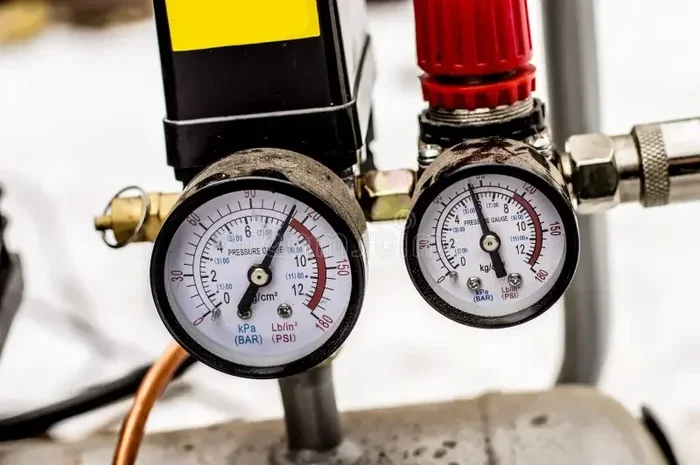
The regulator lets you adjust the output pressure to match your tool’s requirements. Different pneumatic tools need different pressure levels. A nail gun might need 70 to 120 PSI, while a paint sprayer might need only 15 to 30 PSI.
A good regulator gives you precise control. This means better tool performance and less waste of compressed air. Look for regulators with clear, easy-to-read gauges so you can set the exact pressure you need for each task.
Air Hoses, Fittings, and Quick Connects
You can have the best compressor in the world, but if your air hose fittings are bad, nothing works. The hose is the bridge between your compressor and your tool. It needs to be reliable, flexible, and leak-free.
Choosing the Right Hose
When selecting a hose for your Senco compressor, consider these factors:
- Length — Longer hoses give you more reach but can reduce pressure.
- Diameter — A larger diameter hose maintains better airflow over longer distances.
- Material — Rubber hoses are durable and flexible. PVC hoses are lighter and more affordable.
- Working pressure rating — Make sure the hose can handle your compressor’s maximum PSI.
A good rule of thumb is to never run a hose longer than 100 feet. Beyond that, you lose too much pressure and your tools will not perform properly.
Quick Connect Fittings
Quick connect fittings are a game changer. They let you switch between tools in seconds without fumbling with wrenches and threaded connections. A quality quick connect fitting set includes a coupler on the compressor end and plugs for each tool.
Make sure the fittings are compatible with your Senco compressor’s output port. Most Senco models use standard quick connect systems, but it is always worth double-checking before you buy.
Pumps, Motors, and Internal Components
Some Senco compressor parts are more complex than filters and fittings. The pump, motor, and internal components are the heart and soul of your machine. Understanding these parts helps you troubleshoot problems and make informed repair decisions.
The Compressor Pump
The pump is what actually compresses the air. It is the hardest-working component in your system. Over time, pump valves, pistons, and gaskets wear out. Signs of a failing pump include:
- Excessive noise during operation.
- Air leaking from the pump housing.
- Inability to reach the desired PSI.
- Oil leaking from the pump area.
If you notice these symptoms, do not ignore them. A small problem with the pump can quickly turn into a major repair. Using the right Senco compressor parts for pump repairs keeps your machine running efficiently and prevents further damage.
The Motor
The motor drives the pump and is the engine of your compressor. Most home and shop compressors use electric motors, while larger commercial units may use gas engines.
Motor problems can stem from several causes:
- Overheating due to blocked ventilation.
- Capacitor failure.
- Worn windings.
- Electrical supply issues.
If your compressor motor is not starting, one common cause is a bad capacitor. These are inexpensive parts and a simple fix. Before you assume the motor is dead, check the capacitor first. It could save you a lot of money and frustration.
Valve Kits and Gaskets
Inside the pump, valve kits and gaskets seal the compression chambers. These small parts are inexpensive but absolutely essential. A worn gasket causes air leaks that reduce your compressor’s efficiency and output.
Senco offers complete valve kit sets for most of their compressor models. These kits include all the gaskets, valves, and seals you need for a full pump service. Replacing these parts on a regular schedule is one of the best ways to prevent major pump failures.
Maintenance Tips to Extend Part Life
Prevention is always better than repair. A solid maintenance routine keeps your Senco compressor in top shape and reduces the need for frequent part replacements.
Daily and Weekly Routines
Keep it simple. Here is a quick checklist you can follow:
- Check the oil level before each use if your compressor is oil-lubricated.
- Drain the tank after every use to remove moisture buildup.
- Inspect the air filter weekly and clean or replace as needed.
- Listen for unusual sounds during operation. Early detection saves big repairs.
- Check all fittings and hoses for leaks or loose connections.
Seasonal Maintenance
At the start of each season, give your compressor a more thorough checkup:
- Replace the oil and oil filter.
- Inspect the pressure switch and adjust if needed.
- Check the regulator for accuracy.
- Examine the pump for any signs of wear or damage.
- Test the compressor motor under load to ensure it is performing properly.
For more detailed guidance on testing your compressor’s electrical components, check out our article on how to test compressor windings. This can help you catch motor issues before they become expensive problems.
Using the Right Oil
The type of oil you use in your Senco compressor matters more than you might think. The wrong oil can cause excessive wear, overheating, and premature failure of internal parts.
For guidance on selecting the correct lubricant, read our article on what type of oil goes in an air compressor. It covers the different oil types and helps you choose the right one for your Senco model.
Where to Buy Genuine Senco Compressor Parts
Not all parts are created equal. When it comes time to replace components on your Senco compressor, sourcing the right parts is critical.
Authorized Dealers and the Senco Website
The safest bet is always to buy directly from Senco or an authorized dealer. This guarantees you are getting genuine parts that meet Senco’s quality standards. Genuine parts also come with warranties and support that aftermarket parts simply cannot match.
Online Marketplaces
Online retailers can be a great resource for finding Senco compressor parts. However, be cautious. Counterfeit parts are a real problem in the pneumatic tools market. Always verify the seller’s reputation and check for authenticity before purchasing.
Local Tool Suppliers
Do not overlook your local tool supply stores. The staff at these shops often have deep knowledge of Senco products and can help you find the exact part you need. Plus, you can ask questions and get advice on installation and compatibility right in person.
When to Repair vs. When to Replace
Sometimes a part failure signals that bigger problems are on the way. Knowing when to repair and when to replace saves you time, money, and a lot of headaches.
Repair When
- The issue is isolated to a single component like a filter, gasket, or switch.
- The compressor is less than five years old.
- Repair costs are less than half the price of a new unit.
- The motor and pump are still in good condition.
Replace When
- The pump has significant internal damage.
- The motor has burned out and replacement costs exceed the price of a new compressor.
- The unit is more than 10 years old and has had multiple repairs.
- Replacement parts are no longer available for your model.
If you are unsure, it never hurts to get a professional opinion. A qualified technician can assess your compressor and recommend the most cost-effective path forward.
For a deeper look at diagnosing compressor issues, our article on how to diagnose a bad AC compressor offers valuable insights that apply to many compressor brands, including Senco.
Setting up your compressor correctly from the start also prevents many common problems. For step-by-step guidance, see our guide on how to set up an air compressor to ensure everything is connected and configured properly.
Final Thoughts
Having the right Senco compressor parts on hand is one of the smartest investments you can make. Whether you are stocking up on filters, upgrading your regulator, or replacing a worn pump gasket, each part plays a role in keeping your compressor running at its best.
Start with the essentials. Filters, gaskets, hose fittings, and a pressure switch should be your first purchases. From there, build your inventory based on the specific needs of your projects and the Senco models you use most often.
Remember that maintenance is your best friend. A little regular care goes a long way toward preventing unexpected breakdowns and expensive repairs. Keep your parts organized, keep your compressor clean, and it will serve you well for years to come.
Now that you know exactly what parts you need, it is time to stock up. Your future self, standing on a job site with a compressor that just keeps running, will thank you.
Frequently Asked Questions
What are the most common Senco compressor parts that need replacing?
The most common parts that wear out are air filters, oil filters, gaskets, hose fittings, and pressure switches. These components take the most abuse and need regular inspection and replacement to keep your compressor running smoothly.
Can I use aftermarket parts instead of genuine Senco parts?
You can, but it is not recommended. Aftermarket parts may not fit properly or meet the same quality standards. Using genuine Senco brand parts ensures compatibility, reliability, and keeps your warranty intact.
How often should I replace the filters on my Senco compressor?
Air filters should be checked weekly and replaced every 3 to 6 months depending on usage. Oil filters should be replaced every time you change the oil, which is typically every 500 to 1000 hours of operation. Always refer to your owner’s manual for the exact schedule.
What should I do if my Senco compressor won’t build pressure?
Check the air filter first, as a clogged filter restricts airflow. Next, inspect the gaskets and seals for leaks. Also check the pressure switch and unloader valve. If none of these solve the problem, the pump may need service or valve kit replacement.
Are Senco compressor parts easy to find?
Yes, Senco parts are widely available through authorized dealers, the Senco website, and most major tool retailers. You can also find them through online marketplaces, but always verify authenticity before purchasing.
How can I make my Senco compressor last longer?
Regular maintenance is the key. Drain the tank after every use, change the oil and filters on schedule, inspect fittings for leaks, and store the compressor in a clean, dry environment. Using genuine Senco parts for repairs also extends the life of your machine significantly.