2014 Nissan Altima AC Compressor Replacement Cost Explained
The 2014 Nissan Altima AC compressor replacement cost typically ranges from $500 to $1,200 for parts and labor combined. Understanding what drives this price, recognizing early warning signs, and choosing the right parts can help you avoid overpaying and keep your car cool all year long.
Your 2014 Nissan Altima AC compressor replacement cost can feel overwhelming when you first see the estimate. Whether you are dealing with a broken compressor on a hot summer day or planning ahead for a repair, knowing what to expect helps you make smart decisions. This guide breaks down every factor that influences the final price, from parts selection to labor rates.
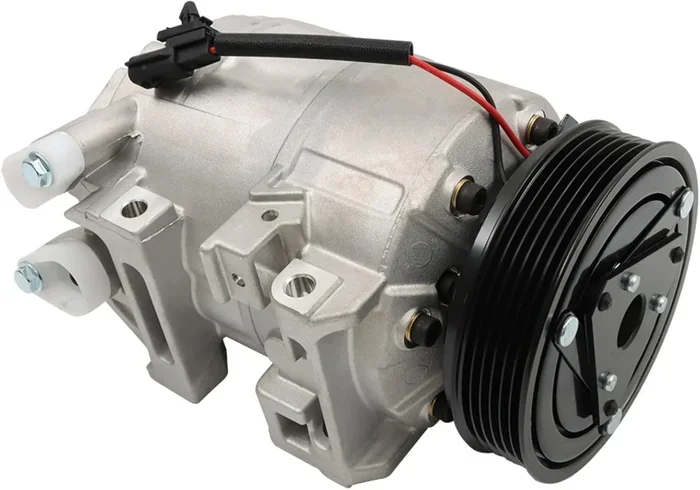
The AC compressor is the heart of your car’s air conditioning system. It pressurizes the refrigerant and circulates it through the system to keep your cabin cool. When it fails, you lose cold air fast, and the discomfort can be unbearable. Understanding the replacement cost upfront puts you in control of the repair process.
On a 2014 Nissan Altima, the AC compressor replacement cost generally falls between $500 and $1,200. This range covers both the parts and the labor involved. However, several factors can push the price higher or lower. Let us walk through each one so you know exactly what you are paying for.
Key Takeaways
- Average Cost Range: Most owners pay between $500 and $1,200 for a full AC compressor replacement on a 2014 Nissan Altima.
- OEM vs. Aftermarket: OEM parts cost more but last longer, while aftermarket options can save you 30 to 50 percent.
- Common Failure Signs: Strange noises, warm air, and refrigerant leaks are the top three symptoms of a failing compressor.
- DIY vs. Professional: Doing it yourself can cut labor costs, but improper installation may lead to bigger problems down the road.
- Related Repairs: Often, the clutch, belt, or condenser also needs replacing alongside the compressor, which adds to the total bill.
- Prevention Matters: Regular AC maintenance can extend compressor life and delay costly replacements.
📑 Table of Contents
- What Drives the 2014 Nissan Altima AC Compressor Replacement Cost
- Common Signs Your AC Compressor Is Failing
- How the Replacement Process Works
- How to Save Money on the Replacement
- Preventing Future AC Compressor Problems
- When to Choose a Dealer vs. an Independent Shop
- Final Thoughts on the 2014 Nissan Altima AC Compressor Replacement Cost
What Drives the 2014 Nissan Altima AC Compressor Replacement Cost
The price of replacing your AC compressor is not a fixed number. Multiple factors come into play, and each one can shift the final bill. Here is a closer look at what affects the cost.
Parts Choice: OEM vs. Aftermarket
One of the biggest decisions you will make is whether to go with OEM (Original Equipment Manufacturer) parts or aftermarket alternatives. OEM parts are made by the same supplier that built the original compressor for your Altima. They fit perfectly and match the original specifications.
Aftermarket parts are produced by third-party manufacturers. They often cost significantly less but can vary in quality. Here is a simple comparison:
- OEM Compressor: $300 to $600 for the part alone. Reliable fit and performance.
- Aftermarket Compressor: $150 to $350 for the part alone. Good value but quality varies by brand.
- Remanufactured Compressor: $100 to $250. Refurbished units that can work well if sourced from a reputable supplier.
Choosing OEM parts often means a higher upfront AC compressor price, but the durability and warranty coverage can save you money in the long run. If you are on a tight budget, a quality aftermarket compressor is a reasonable option.
Labor Costs and Shop Rates
Labor makes up a big portion of the total 2014 Nissan Altima AC compressor replacement cost. The job typically takes between three and five hours, depending on the shop and the complexity of the repair. Labor rates vary by location, ranging from $80 to $150 per hour at most independent shops.
Dealerships usually charge more for labor, sometimes $120 to $180 per hour. Independent mechanics and local repair shops often provide the same quality work at a lower rate. Always ask for a detailed breakdown of labor charges before approving the repair.
Additional Parts That May Be Needed
When a compressor fails, other components in the air conditioning system often suffer damage too. Your mechanic may recommend replacing these parts at the same time:
- Compressor Clutch: $50 to $150. The clutch engages the compressor, and it can wear out independently.
- AC Belt: $30 to $80. A worn belt can cause compressor failure and should be inspected.
- Condenser: $200 to $450. Debris or refrigerant contamination can damage the condenser.
- Receiver Drier or Accumulator: $50 to $100. This part absorbs moisture and should always be replaced during a compressor job.
- Refrigerant: $30 to $80. The system needs to be recharged after the repair.
Adding these parts can increase the total car AC repair bill by $300 to $800 or more. Always ask your mechanic which additional parts are necessary and why.
Common Signs Your AC Compressor Is Failing
Catching compressor problems early can save you from a more expensive repair later. Here are the most common signs that your AC compressor is on its way out.
Warm Air From the Vents
This is the most obvious symptom. If your Altima’s cabin temperature starts rising and the air from the vents feels warm or lukewarm, the compressor may not be engaging properly. A failed clutch or a seized compressor will stop circulating refrigerant entirely.
Strange Noises When the AC Is On
Listen for grinding, squealing, or clicking sounds when you turn on the air. These noises often point to a worn compressor clutch or internal damage inside the compressor unit. Ignoring these sounds can lead to a complete compressor seizure.
Refrigerant Leaks
An AC system leak is a serious issue. You may notice oily residue around the compressor fittings or a hissing sound. Low refrigerant levels cause the compressor to work harder, which accelerates wear and can lead to premature failure.
AC Compressor Not Engaging
Sometimes the compressor simply stops engaging at all. This can be caused by a faulty AC compressor relay, a blown fuse, or a wiring issue. Before replacing the compressor, a good mechanic will check the electrical components first.
How the Replacement Process Works
Understanding the steps involved in an AC compressor replacement helps you know what to expect and why the process takes the time it does.
Step 1: Diagnosing the Problem
Your mechanic will start by running a full auto AC repair diagnostic. This includes checking refrigerant levels, inspecting the compressor clutch, testing electrical connections, and looking for visible damage. A proper diagnosis ensures you are not paying for a compressor that is not the real problem.
Step 2: Recovering the Refrigerant
Before removing the old compressor, the refrigerant must be safely recovered. This requires specialized equipment and must be done according to EPA regulations. Releasing refrigerant into the atmosphere is illegal and harmful to the environment.
Step 3: Removing the Old Compressor
The technician disconnects the electrical harness, removes the drive belt, and unbolts the compressor from the engine mount. On the 2014 Nissan Altima, this process typically takes two to three hours. Access can be tight, which is why labor time varies.
Step 4: Installing the New Compressor
The new compressor is bolted into place, the belt is reinstalled, and all electrical connections are reattached. The technician then evacuates the system to remove any air and moisture before recharging it with fresh refrigerant.
Step 5: Testing the System
After installation, the system is run and monitored to ensure proper cabin temperature is reached. The mechanic checks for leaks, listens for unusual noises, and verifies that the compressor clutch engages correctly.
How to Save Money on the Replacement
Nobody wants to overspend on an AC compressor replacement. Here are practical tips to help you reduce the 2014 Nissan Altima AC compressor replacement cost without sacrificing quality.
Get Multiple Quotes
Always get at least two or three quotes from different shops. Labor rates and part markups vary widely. A quick comparison can save you several hundred dollars. Many shops offer free diagnostics, so use that to your advantage.
Consider Aftermarket Parts
A quality aftermarket compressor can deliver excellent performance at a fraction of the OEM price. Look for brands with solid warranties and good reviews. Avoid the cheapest options, as they may fail prematurely and cost you more in the long run.
Ask About Bundled Repairs
If your mechanic recommends replacing the clutch, belt, or condenser at the same time, ask if a bundled price is available. Shops often offer discounts when multiple parts are replaced together. This can significantly reduce your total bill.
Check for Recalls or Technical Service Bulletins
Sometimes Nissan issues technical service bulletins for known compressor issues on specific model years. Your dealer may cover part of the cost if a bulletin applies. It is worth checking before you pay out of pocket.
For broader context on repair expenses, you might also want to understand general cost frameworks similar to how much it costs to install a Generac 22kw generator or what a Generac generator cost typically looks like, as these comparisons help illustrate how part and labor costs vary across different systems.
Preventing Future AC Compressor Problems
Once you have invested in a new compressor, you want it to last. Regular maintenance is the best way to protect your air conditioning system and avoid a repeat replacement.
Run Your AC Regularly
Even in winter, run your AC for at least ten minutes every week. This keeps the seals lubricated and prevents the refrigerant from stagnating. A compressor that sits unused for months is more likely to seize when you need it most.
Check Refrigerant Levels Annually
Low refrigerant is one of the leading causes of compressor failure. Have a professional check your levels at least once a year. If you notice a drop, have the system inspected for leaks right away.
Replace the Cabin Air Filter
A clogged cabin air filter restricts airflow and puts extra strain on the entire cooling system. Replace it according to your owner’s manual, typically every 15,000 to 20,000 miles.
Keep the Condenser Clean
The condenser sits in front of the radiator and can accumulate dirt, debris, and bugs. Periodically rinse it with a garden hose to keep it clear. A blocked condenser reduces cooling efficiency and can overwork the compressor.
When to Choose a Dealer vs. an Independent Shop
Deciding where to have your Nissan Altima AC repair done is an important part of managing the overall cost.
Dealer Advantages
- Access to OEM parts and factory diagnostic tools.
- Technicians trained specifically for Nissan vehicles.
- Warranty coverage that may be required to maintain your bumper-to-bumper or powertrain warranty.
Independent Shop Advantages
- Lower labor rates, often 20 to 40 percent less than dealers.
- More flexibility in part selection and pricing.
- Personalized service and faster turnaround times.
For most owners, a reputable independent shop offers the best balance of quality and affordability. Just make sure the shop has experience with the 2014 Nissan Altima and specifically with AC compressor replacement.
Understanding the full scope of repair costs across vehicle systems can also be helpful. Similar to how generator costs vary based on brand, capacity, and installation requirements, your AC compressor replacement price depends on parts quality, labor complexity, and whether additional components need attention.
Final Thoughts on the 2014 Nissan Altima AC Compressor Replacement Cost
The 2014 Nissan Altima AC compressor replacement cost is a repair that most Altima owners will face at some point, especially as the vehicle ages. With a typical range of $500 to $1,200, it is a significant but manageable expense. The key is to act quickly when you notice symptoms, choose quality parts, and work with a trusted mechanic.
By understanding what drives the cost and following the prevention tips in this guide, you can keep your Altima’s air conditioning system running strong for years to come. A cool cabin is not just a comfort, it is a safety feature that keeps you alert and focused on the road.
For additional information on related costs, you might explore how much does a Generac generator cost or the overall expense of generator installation as a comparison point for understanding how different vehicle and home system repairs vary in pricing structure.
Frequently Asked Questions
What is the average cost to replace the AC compressor on a 2014 Nissan Altima?
The average cost ranges from $500 to $1,200, covering both parts and labor. The exact price depends on whether you choose OEM or aftermarket parts, your location, and whether additional components like the clutch or condenser need replacing at the same time.
How do I know if my 2014 Nissan Altima AC compressor needs replacement?
Look for warm air from the vents, strange noises like grinding or clicking when the AC is on, refrigerant leaks, or a compressor clutch that does not engage. If you notice any of these signs, have a mechanic diagnose the issue as soon as possible to prevent further damage.
Can I drive my 2014 Nissan Altima with a bad AC compressor?
Yes, you can drive the car, but the air conditioning will not work. In some cases, a seized compressor can damage the drive belt or affect other engine accessories. It is best to address the problem promptly to avoid cascading repairs.
Does the 2014 Nissan Altima AC compressor replacement cost include refrigerant?
Not always. Some shops include refrigerant in the quoted price, while others charge separately. Always ask for a detailed breakdown so you know exactly what is covered. Expect to pay an additional $30 to $80 for refrigerant if it is not included.
How long does an AC compressor replacement take on a 2014 Nissan Altima?
The job typically takes between three and five hours at most repair shops. The exact time depends on the condition of the old compressor, accessibility under the hood, and whether any additional parts are being replaced at the same time.
Should I choose OEM or aftermarket parts for my AC compressor replacement?
OEM parts offer the best fit and reliability but cost more. Aftermarket parts can save you 30 to 50 percent and are a good choice if you select a reputable brand. For most owners, a quality aftermarket compressor strikes the right balance between cost and durability.