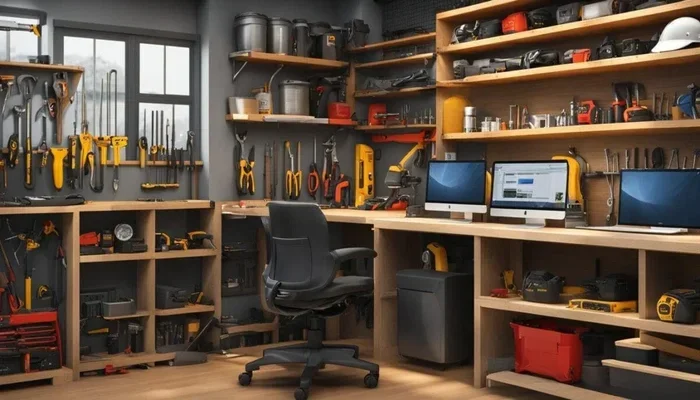
How to Sell Tools Online and Build a Successful Shop
Selling tools online is a smart way to turn your passion into profit. Whether you want to sell power tools or hand tools, this guide covers everything you need to build a successful online tool shop. You will learn how to pick the right platform, price your products, and market your tool business effectively.
Starting an online tool business is one of the most exciting ways to turn a hobby into a real income stream. People buy tools every single day, from basic hand tools to heavy-duty power tools. And the best part? You do not need a physical store to get started.
If you have ever wondered how to sell tools online, you are in the right place. This guide walks you through every step of the process. From picking your niche to setting up your digital storefront, we cover it all. You will learn practical tool selling tips that real sellers use every day to grow their online tool business.
The tool industry is huge. Millions of people search for tools online each month. Whether they need a simple wrench set or a premium power tool set, buyers are ready to spend money. Your job is to connect them with the right products. This guide gives you the roadmap to do exactly that.
Let us dive in and build a tool shop that actually sells.
Key Takeaways
- Pick a Niche: Focus on a specific tool category like power tools or hand tools to stand out.
- Choose the Right Platform: Use marketplaces like eBay or build your own digital storefront with e-commerce platforms.
- Great Photos Matter: High-quality images and detailed descriptions boost sales and trust.
- Price Competitively: Research your competitors and factor in shipping costs when setting prices.
- Market Smart: Use social media, email, and SEO to drive traffic to your online tool shop.
- Master Shipping: Proper packaging and reliable carriers keep customers happy and coming back.
📑 Table of Contents
Choose the Right Tools to Sell
Before you list anything for sale, you need to decide what tools you want to sell. This is the most important decision you will make. A clear focus helps you attract the right buyers and build a strong brand.
Popular Tool Niches to Consider
Not all tool categories are the same. Some niches sell faster, while others have higher profit margins. Here are some of the most popular niches to consider:
- Power Tools: Drills, saws, sanders, and grinders. These are high-demand items with strong resale value.
- Hand Tools: Wrenches, screwdrivers, hammers, and pliers. These are affordable and easy to stock.
- Air Tools and Compressors: Pneumatic tools and compressors are growing in popularity. Many buyers search for what size hose to use with an air compressor and related accessories, making this a profitable niche.
- Automotive Tools: Socket sets, diagnostic tools, and engine hoists. Car enthusiasts spend big on quality tools.
- HVAC and Refrigeration Tools: Manifold gauges, refrigerant scales, and tube cutters. These attract professional buyers.
- Garden and Outdoor Tools: Lawn mowers, trimmers, and tillers. Seasonal demand can drive strong sales.
Pick a niche that you know well. Your knowledge will shine through in your product descriptions and customer service. This builds trust and keeps buyers coming back.
Power Tools vs Hand Tools: Which Sells Better?
Both categories have strong demand, but they work differently for online sellers. Power tools usually have higher price points and bigger profit margins. Hand tools sell faster but at lower prices. A balanced inventory includes both.
Here is a quick comparison:
| Factor | Power Tools | Hand Tools |
|---|---|---|
| Average Price | $50 – $300+ | $5 – $50 |
| Profit Margin | Higher | Lower |
| Shipping Weight | Heavier | Lighter |
| Buyer Type | DIYers and pros | Homeowners and pros |
| Repeat Sales | Moderate | High |
Many successful sellers start with hand tools and gradually add power tools as their business grows. This keeps your startup costs low while you build your customer base.
Pick the Best Platform for Your Tool Shop
Where you sell matters just as much as what you sell. The right e-commerce platform shapes your brand, your reach, and your bottom line. Let us look at your main options.
Marketplaces vs Own Store
Marketplaces like eBay, Amazon, and Etsy give you instant traffic. You do not need to build an audience from scratch. However, competition is fierce, and fees can eat into your profits. An own store gives you full control and higher margins, but you need to drive your own traffic.
Most new sellers start on a marketplace and later build their own digital storefront. This is a smart approach because it lets you test products and learn what sells.
Top Platforms for Selling Tools Online
Here are the most popular platforms for an online tool business:
- eBay: Great for used and new tools. Huge buyer base and easy setup.
- Amazon: Best for new tools with FBA (Fulfillment by Amazon). High volume but strict rules.
- Etsy: Good for unique, handmade, or vintage tools. Lower competition than Amazon.
- Shopify: Build your own branded store. Full control over pricing and branding.
- Facebook Marketplace: Free to list and great for local tool sales.
- Walmart Marketplace: Growing platform with access to millions of buyers.
Choose one or two platforms to start. Do not spread yourself too thin. Master one platform before expanding to another.
Set Up Your Online Tool Store
Now it is time to get your shop ready. A clean, professional setup makes a huge difference in how buyers perceive your brand. First impressions matter, especially in online retail.
Product Photography and Descriptions
Your photos are the first thing buyers see. Clear, well-lit images build trust and increase clicks. Here are some quick tips for great tool photos:
- Use a clean white or neutral background.
- Shoot from multiple angles, including close-ups of brand labels and features.
- Show the tool in use if possible.
- Use natural light or a basic photo setup with soft lighting.
- Include scale references so buyers understand the size.
Your descriptions should be detailed and honest. Tell buyers exactly what they are getting. Include the brand, model number, condition, and any defects. The more transparent you are, the more trust you build.
Pricing Your Tools for Profit
Pricing is both an art and a science. You want to be competitive, but you also need to make a profit. Here is how to price your tools the right way:
- Research what similar tools sell for on your chosen platform.
- Factor in your cost of goods, shipping supplies, and platform fees.
- Add your desired profit margin (typically 20% to 40%).
- Adjust for rarity or condition if selling used tools.
- Offer bundle deals to increase average order value.
Many new sellers underprice their tools because they are afraid of losing sales. Do not do this. Buyers expect to pay fair market value, and quality tools deserve quality pricing.
Market and Promote Your Tool Business
Having a great shop is only half the battle. You also need to get the word out. Marketing is what turns visitors into buyers. The good news is that there are many free and low-cost ways to promote your online tool shop.
Social Media Marketing
Social media is a powerful tool for any online business. Platforms like Instagram, Facebook, and YouTube work especially well for tool sellers. Here is how to use them effectively:
- Post short videos showing tools in action. Tool demo videos get great engagement.
- Share before-and-after project photos from your customers.
- Run giveaways to grow your follower count.
- Join tool enthusiast groups and communities on Facebook.
- Use relevant hashtags like #tools, #toolreview, and #diyprojects.
Consistency is key. Post at least three to five times per week. Engage with your followers by answering questions and responding to comments. This builds a loyal community around your brand.
Email Marketing and SEO
Email marketing is one of the best ways to bring customers back to your store. Collect email addresses by offering a small discount on first purchases. Then send regular updates about new arrivals, sales, and tool tips.
Search engine optimization (SEO) helps buyers find your shop organically. Use keywords like “sell tools online” and “online tool shop” naturally in your product titles and descriptions. Write blog posts about tool reviews, buying guides, and maintenance tips. This builds topical authority and drives long-term traffic.
Run Paid Ads to Scale Fast
Once your shop is established, consider running paid ads. Facebook Ads and Google Shopping Ads can bring targeted traffic quickly. Start with a small budget, test different ads, and scale what works. Paid ads are one of the fastest ways to grow your tool business online.
Manage Orders and Customer Service
Great customer service is what separates a one-time shop from a thriving business. Happy customers leave reviews, come back for more, and tell their friends.
Shipping Heavy Tools the Right Way
Tools can be heavy and bulky, which makes shipping a challenge. Here are some essential shipping tips:
- Use sturdy boxes and plenty of padding. Bubble wrap and foam inserts work well.
- Double-box fragile items like power tools with glass cases.
- Choose reliable carriers like UPS, FedEx, or USPS Priority.
- Offer tracking numbers for every shipment.
- Consider offering free shipping over a certain order amount. This encourages larger purchases.
Shipping costs can eat into your profits if you are not careful. Always factor shipping into your pricing strategy. Use shipping calculators provided by your carrier to get accurate estimates.
Handling Returns and Refunds
Returns are a normal part of online retail. Have a clear, fair return policy and communicate it upfront. Most buyers appreciate honesty. A good policy builds trust and reduces disputes. When a return does happen, process it quickly and professionally. A smooth return experience often turns a dissatisfied buyer into a loyal customer.
Build Trust with Reviews and Ratings
Encourage every buyer to leave a review. Positive reviews are social proof that your tool shop is trustworthy. Respond to all reviews, both positive and negative, in a friendly and professional manner. This shows that you care about your customers and are committed to quality service.
Expert Insights: Common Mistakes to Avoid
Every new tool seller makes mistakes. The good news is that most of them are easy to avoid. Here are the most common pitfalls:
- Skipping research: Do not guess prices or assume demand. Always research the market first.
- Poor photos: Blurry or dark photos kill sales. Invest time in good product images.
- Ignoring shipping costs: Underpricing to win a sale and then losing money on shipping is a losing strategy.
- Neglecting customer service: Slow responses and unprofessional communication drive buyers away.
- Trying to sell everything: Focus on a niche. Trying to be everything to everyone dilutes your brand.
Avoid these mistakes, and you will be ahead of most new sellers in the online tool space.
Final Thoughts: Start Selling Tools Online Today
Building a successful online tool shop takes time, effort, and patience. But the rewards are well worth it. You get to be your own boss, work with tools you love, and build a business that grows with you.
Remember the key steps: choose your niche, pick the right platform, set up a professional shop, market consistently, and provide excellent customer service. Every successful tool seller started exactly where you are right now.
The tools market is strong and growing. Buyers are searching for quality tools every single day. Your job is to make sure they find you. Use the strategies in this guide, stay consistent, and keep learning. Your online tool business can absolutely succeed.
Start small, stay focused, and keep improving. The best time to start selling tools online is today.
Frequently Asked Questions
What tools sell best online?
Power tools, hand tools, and automotive tools are the top sellers. Niche categories like air compressors and HVAC tools also do very well because they attract professional buyers willing to pay premium prices.
How much does it cost to start selling tools online?
You can start with very little money. If you sell on a marketplace like eBay, there are no upfront costs. If you build your own store with Shopify, expect to pay around $30 to $100 per month. Your biggest cost will be your initial tool inventory.
Do I need a business license to sell tools online?
It depends on your location and sales volume. Many countries and states require a business license or seller’s permit, especially if you are selling regularly. Check with your local government to find out the requirements in your area.
Can I sell used tools online?
Absolutely. Used tools are in high demand because they cost less than new ones and still deliver great performance. Platforms like eBay, Facebook Marketplace, and Craigslist are perfect for selling used tools. Just be honest about the condition in your listings.
How do I price used tools fairly?
Check what similar used tools are selling for on your chosen platform. Consider the brand, condition, age, and completeness of the tool. A good rule of thumb is to price used tools at 40% to 60% of their original retail price, adjusting for condition and demand.
What is the easiest platform for beginners to sell tools?
eBay is often the easiest platform for beginners. It has a huge built-in audience, simple listing tools, and low upfront costs. Facebook Marketplace is also great for local sales with no fees. Once you gain experience, you can expand to your own Shopify store.
=== CONCLUSION ===
Selling tools online is a fantastic way to build income and grow a business you love. With the right strategy, the right platform, and the right mindset, anyone can turn a tool collection into a profitable online shop. Focus on your niche, invest in great photos and descriptions, price competitively, and serve your customers well. The online tool market is waiting for you. Take the first step today, stay consistent, and watch your tool shop grow.