What Are Social Listening Tools and Why They Matter
Social listening tools are software platforms that monitor and analyze online conversations about your brand, industry, or competitors. They help you track brand mentions, understand customer sentiment, and uncover valuable customer insights in real time. These tools go beyond simple social media monitoring to reveal deep patterns in online conversations that drive smarter business decisions.
You post something on social media. Within minutes, people are talking about it. Some love it. Some don’t. Some are asking questions you never thought to answer. Now imagine if you had a tool that could catch every single one of those conversations, sort them by feeling, and hand you a clear report before the day even ends.
That is exactly what social listening tools do. They listen to the internet for you. They scan thousands of posts, comments, reviews, and forum threads every hour. Then they turn all that noise into useful information you can actually act on.
In today’s digital world, what people say about your brand online can make or break your business. A single viral complaint can damage your reputation overnight. But a well-timed response, backed by real data, can turn a negative moment into a positive one. Social listening tools give you that edge. They help you stay ahead of trends, understand your audience, and protect your brand.
If you have ever wondered how big brands seem to know exactly what their customers want, the answer is social listening. They are not guessing. They are using data. And you can too.
Key Takeaways
- What they do: Social listening tools track brand mentions, keywords, and hashtags across social platforms and the web.
- Why they matter: They provide real-time customer insights and help you manage your online reputation proactively.
- Key features: Look for sentiment analysis, real-time alerts, competitive intelligence, and trend tracking.
- Who uses them: Marketers, PR teams, customer service departments, and product teams all benefit from social listening.
- Top tools: Popular options include Brandwatch, Sprout Social, Hootsuite, and Mention.
- Best practice: Set clear goals, choose the right keywords, and review data regularly to get the most value.
📑 Table of Contents
What Are Social Listening Tools?
At their core, social listening tools are software platforms that track what people are saying about a brand, product, topic, or industry across the internet. They monitor social media channels like Twitter, Facebook, Instagram, and TikTok. They also scan blogs, news sites, forums, review platforms, and even podcasts.
But they do more than just count mentions. Good social listening software analyzes the context behind those mentions. It figures out whether the tone is positive, negative, or neutral. It spots emerging trends before they go mainstream. And it connects the dots between different conversations to reveal bigger patterns.
Think of it this way. Social media monitoring tells you that someone mentioned your brand. Social listening tells you why they mentioned it, how they felt about it, and what they might do next. That difference is huge. It turns raw data into real understanding.
How Do Social Listening Tools Work?
These tools use a combination of keyword tracking, natural language processing, and machine learning. You set up keywords, phrases, hashtags, or brand names that you want to track. The tool then scans the internet 24 hours a day, 7 days a week.
When it finds a match, it categorizes the mention. It might tag it as positive or negative. It might group it by topic or platform. Some advanced tools can even detect sarcasm or slang, which makes the analysis much more accurate.
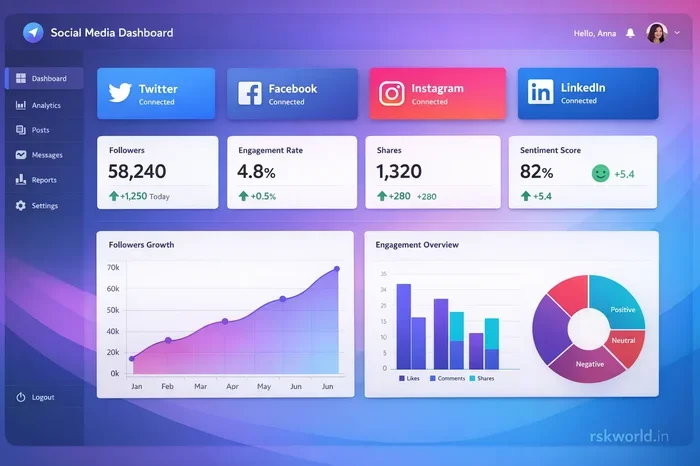
The results are then displayed on a dashboard. You can see charts, graphs, and reports that show you exactly what is happening online. Many tools also send real-time alerts so you know about important conversations the moment they happen.
Why Social Listening Tools Matter for Brands
You might be thinking, “My brand is small. Do I really need this?” The answer is probably yes. Here is why social listening tools matter for businesses of every size.
First, they help you understand your audience. When you listen to what customers are saying, you learn what they want, what they hate, and what they need. That knowledge is pure gold for any business.
Second, they protect your online reputation. Problems can escalate fast on social media. If a customer posts a bad review and nobody responds, others notice. But if your social listening setup catches that post early, you can step in and make things right before it spirals.
Third, they give you a competitive edge. You can track what people say about your competitors. You can see what they are doing well and where they are falling short. That kind of competitive intelligence helps you make smarter moves.
Real-World Examples of Social Listening in Action
Let us look at a few practical examples. A coffee brand notices a spike in mentions of “cold brew” on Instagram. Using social analytics, they see that the conversation is mostly positive and growing. They decide to launch a cold brew product line. It becomes their best-selling item that quarter.
In another case, an airline spots a cluster of complaints about delayed baggage on Twitter. Their social listening dashboard flags the issue in real time. The customer service team responds quickly with a solution. The airline turns a potential PR disaster into a trust-building moment.
These examples show that social listening tools are not just for big corporations. Any brand that wants to stay connected to its audience can benefit.
Key Features to Look For
Not all social listening platforms are created equal. When you are shopping for one, here are the features you should pay close attention to.
Sentiment Analysis
This is the ability of the tool to determine whether a mention is positive, negative, or neutral. Good sentiment analysis goes beyond simple word matching. It understands context. For example, it knows that “sick” can be a compliment in some communities and a complaint in others.
Real-Time Alerts
You want to know about important conversations as they happen. Real-time alerts notify you when there is a spike in mentions, a sudden negative trend, or a viral post about your brand. This lets you respond quickly and stay on top of the conversation.
Trend Tracking
Good tools help you spot trend tracking opportunities. They show you which topics are gaining traction in your industry. You can use this information to create content that resonates, launch products that people want, and stay relevant.
Competitive Intelligence
You should be able to track your competitors alongside your own brand. Competitive intelligence features let you compare your performance, see where you are winning, and identify gaps you can exploit.
Influencer Tracking
Many tools can identify influencers who are talking about your brand or industry. This helps you find potential partners, spot advocates, and keep an eye on voices that shape opinion in your space.
Customizable Dashboards and Reporting
Every team is different. The best social listening software lets you build dashboards that show the metrics that matter most to you. You should also be able to export reports easily to share with stakeholders.
Top Social Listening Tools on the Market
There are many options out there. Here is a look at some of the most popular social listening tools and what makes them stand out.
Brandwatch
Brandwatch is one of the most powerful platforms available. It offers deep sentiment analysis, extensive data coverage, and advanced filtering options. It is a favorite among large enterprises and agencies that need comprehensive social analytics.
Sprout Social
Sprout Social combines social listening with social media management. This makes it a great choice for teams that want to listen and respond from one platform. It is user-friendly and works well for mid-sized businesses.
Hootsuite
Hootsuite is well known for social media scheduling, but its listening capabilities are strong too. It tracks keywords and hashtags across multiple platforms and provides solid reporting. It is a good option for teams already using Hootsuite for day-to-day social media tasks.
Mention
Mention is a more affordable option that still delivers strong results. It tracks brand mentions across the web and social media in real time. It is a great pick for small businesses and startups that need social listening without a big price tag.
BuzzSumo
BuzzSumo excels at content analysis and trend identification. It helps you find the most shared content in your industry and track how your brand is being discussed. It is particularly useful for content marketers and PR professionals.
How to Choose the Right Tool for Your Needs
Choosing the right social listening tool depends on your goals, budget, and team size. Here are some tips to help you decide.
Start by defining what you want to achieve. Are you trying to manage your online reputation? Are you looking for customer insights? Do you need competitive intelligence? Your goals will guide which features matter most.
Next, consider your budget. Some tools cost a few hundred dollars a month. Others run into thousands. You do not need the most expensive option, but you also should not skimp on features you truly need.
Think about your team. If you have a dedicated social media team, you might need a tool with advanced collaboration features. If you are a solo marketer, a simpler tool might be the better fit.
Finally, take advantage of free trials. Most social listening platforms offer a trial period. Use that time to test the tool, see how it fits your workflow, and make sure the data feels accurate.
Common Mistakes to Avoid
Even with the best tool, you can go wrong if you are not careful. Here are some common mistakes to watch out for.
Tracking too many keywords. It might be tempting to track every possible phrase related to your brand. But that creates noise. Focus on a handful of high-value keywords that actually matter to your goals.
Ignoring the data. Collecting data is only half the battle. If you do not act on what you find, the social listening effort is wasted. Make sure someone on your team is responsible for reviewing and responding to insights regularly.
Relying only on volume. A high number of mentions does not always mean success. What matters is the quality of those conversations and the sentiment behind them. A brand with fewer mentions but mostly positive sentiment is in a better position than one with thousands of negative comments.
Forgetting about competitors. Social listening is not just about your brand. Keep an eye on what competitors are doing and what customers are saying about them. That competitive intelligence can reveal opportunities you would otherwise miss.
Neglecting platform coverage. Not all tools monitor every platform equally. Make sure the tool you choose covers the channels where your audience actually spends time.
How to Get Started with Social Listening
Getting started with social listening is easier than you might think. Here is a simple roadmap.
First, pick your tool. Choose one that fits your budget and goals. Set up your account and connect the social media profiles and websites you want to monitor.
Second, define your keywords. Think about your brand name, product names, campaign hashtags, industry terms, and competitor names. Add these as tracking terms in your tool.
Third, set up alerts. Configure real-time alerts for important triggers like a sudden spike in negative mentions or a viral post about your brand.
Fourth, review regularly. Make it a habit to check your dashboard at least once a week. Look for patterns, trends, and anything that needs attention.
Fifth, take action. Use the insights you gather to improve your social media strategy, adjust your messaging, respond to customers, and inform your product team.
Over time, you will build a library of social data that becomes increasingly valuable. You will start to see patterns you never noticed before. You will understand your audience better than ever. And you will be able to make data-driven decisions that move your business forward.
The Future of Social Listening
The world of social listening is evolving fast. Artificial intelligence and machine learning are making these tools smarter every year. Soon, social analytics will be even more accurate at understanding context, emotion, and intent.
Voice search and video content are also becoming major sources of online conversations. The best social listening tools of the future will be able to analyze audio and video, not just text. This opens up exciting new possibilities for brands that want to understand their audience on a deeper level.
One thing is clear: social listening is no longer optional. In a world where customers share their opinions online every single second, brands that listen have a huge advantage. The brands that ignore what is being said risk falling behind.
If you have not yet started using social listening tools, now is the perfect time. The insights you gain will help you connect with your audience, protect your reputation, and grow your brand in ways you never thought possible.
Conclusion
Social listening tools are powerful platforms that help brands understand what people are saying about them online. They go far beyond simple social media monitoring to provide deep customer insights, real-time alerts, and valuable competitive intelligence. Whether you are a small business or a large enterprise, these tools can transform the way you understand your audience and manage your online reputation.
The key is to choose the right tool, set clear goals, and actually act on the data you collect. Social listening is not a set-it-and-forget-it solution. It requires regular attention and a willingness to respond. But the rewards are well worth the effort.
Start small. Pick one or two keywords to track. Watch what you learn. Then expand from there. Before long, you will wonder how you ever managed without social listening tools. They are one of the smartest investments any brand can make in today’s digital landscape.
Frequently Asked Questions
What is the difference between social monitoring and social listening?
Social monitoring tracks mentions and counts. It tells you that someone mentioned your brand. Social listening goes deeper. It analyzes the context, sentiment, and trends behind those mentions to give you actionable insights. Think of monitoring as collecting data and listening as understanding it.
Can small businesses benefit from social listening tools?
Absolutely. Small businesses often have the most to gain from social listening. They can track their online reputation, understand their customers better, and spot trends before their competitors do. Many affordable tools are designed specifically for small businesses and startups.
How much do social listening tools cost?
Prices vary widely. Some tools like Mention offer plans starting around $40 per month. Enterprise-level platforms like Brandwatch can cost several thousand dollars per month. The best approach is to define your needs first and then find a tool that fits your budget and goals.
What platforms do social listening tools monitor?
Most tools monitor major social media platforms like Twitter, Facebook, Instagram, LinkedIn, and TikTok. They also scan blogs, news sites, forums, review platforms like Yelp and Trustpilot, and sometimes even podcasts and YouTube comments. The coverage varies by tool, so check before you buy.
Do social listening tools really detect sentiment accurately?
Most modern tools use advanced natural language processing that is quite accurate. However, no tool is perfect. Sarcasm, slang, and context can sometimes trip up even the best systems. It is always a good idea to review the data yourself and use your judgment alongside the tool’s analysis.
How long does it take to see results from social listening?
You can start seeing useful insights within days of setting up your tracking keywords. However, the real value comes over time. As you collect more social data, patterns emerge and your understanding of your audience deepens. Give it at least a few weeks to see meaningful trends.
=== CONCLUSION ===
Social listening tools are essential for any brand that wants to understand its audience, protect its reputation, and stay ahead of the competition. They turn the noise of the internet into clear, actionable insights. From tracking brand mentions to analyzing customer sentiment, these tools give you the power to make data-driven decisions that really matter.
The best part is that you do not need to be a big corporation to benefit. Whether you are a solo entrepreneur or a team of fifty, there is a social listening tool that fits your needs and budget. Start exploring your options today, and take the first step toward truly understanding what your customers are saying about you.