Mini Air Compressor Parts Everything You Need to Know
Mini air compressor parts are the essential components that keep your small compressor running smoothly, from pumps and motors to pressure switches and air hoses. Whether you use a portable compressor for DIY projects or light professional work, knowing your parts helps you save money, fix issues fast, and extend the life of your machine. This guide covers every key component, common problems, and where to find the right replacements.
Key Takeaways
- Know Your Compressor: Understanding each mini air compressor part helps you diagnose problems faster and make smarter buying decisions.
- Regular Maintenance Matters: Simple upkeep like checking fittings and changing filters can double the life of your compact compressor.
- Aftermarket Parts Save Money: You don’t always need brand-new OEM parts. Quality aftermarket options work great for many models.
- Match Parts to Your Model: Always verify compatibility before buying replacement parts for your specific compressor brand and size.
- Common Problems Are Fixable: Most issues with mini compressors involve a few key parts like valves, seals, or the pressure switch.
- Right Parts, Right Place: Buying from a trusted air compressor parts store ensures you get genuine, durable components.
📑 Table of Contents
- Mini Air Compressor Parts Everything You Need to Know
- What Makes Up a Mini Air Compressor?
- Essential Mini Air Compressor Parts Explained
- How to Find the Right Mini Air Compressor Parts
- Maintaining Your Mini Air Compressor Parts
- Common Problems with Mini Air Compressor Parts
- Quick Tips for Buying Mini Air Compressor Parts
- Where to Find Reliable Mini Air Compressor Parts
- Final Thoughts on Mini Air Compressor Parts
Mini Air Compressor Parts Everything You Need to Know
If you own a small compressor, you know how handy it is. Whether you’re running pneumatic tools in a garage or topping off tire pressure in the driveway, your mini air compressor does the heavy lifting. But like any machine, it has parts that wear out, break, or need replacing over time. Understanding mini air compressor parts makes all the difference.
This guide breaks down every essential component you need to know. We’ll walk you through what each part does, how to spot when it’s failing, and how to find the right replacement. No confusing jargon. No fluff. Just practical, straightforward info you can use today.
Whether you’re a weekend DIYer or someone who uses a portable air compressor daily, this article has you covered. Let’s dive in.
What Makes Up a Mini Air Compressor?
A mini air compressor might look small, but it packs several important parts into a compact frame. Each component plays a specific role in drawing in air, compressing it, storing it, and delivering it to your tools. Let’s break down the main pieces.
The Pump
The pump is the heart of any mini air compressor parts system. It pulls in outside air and squeezes it into a higher-pressure state. Most small compressors use a reciprocating piston pump, which works much like a car engine piston. The pump cycles on and off based on pressure demand, and it takes the most wear over time.
There are two main pump types you’ll encounter:
- Oil-lubricated pumps — These use oil to reduce friction and heat. They last longer but require regular oil changes.
- Oil-free pumps — These come pre-lubricated with special coatings. They’re maintenance-friendly but may wear out faster under heavy use.
If you hear unusual grinding or knocking sounds from your pump, it’s time to inspect or replace it. Ignoring pump issues can lead to bigger problems down the line.
The Motor
The motor drives the pump. In most compact compressors, you’ll find a single-phase electric motor rated between 1 HP and 2.5 HP. The motor converts electrical energy into mechanical motion that powers the piston. Over time, motor windings can burn out, especially if the compressor runs too hot or cycles too frequently.
When shopping for a replacement motor, always match the voltage, horsepower, and rotation direction to your original specs. A mismatch can damage other mini air compressor parts or create safety hazards.
The Tank
The air tank stores compressed air so the compressor doesn’t have to run continuously. Even in mini models, the tank matters. A larger tank means fewer on-off cycles, which reduces wear on the motor and pump. Tank sizes for portable compressors typically range from 1 gallon to 6 gallons.
Tanks can develop rust, cracks, or pinhole leaks over time. Never ignore a leaking tank. It’s a safety risk, and rust inside the tank can contaminate your air supply and damage downstream tools.
Essential Mini Air Compressor Parts Explained
Beyond the big three — pump, motor, and tank — several smaller parts keep your compressor running reliably. Let’s go through the ones you’ll encounter most often.
Pressure Switch
The pressure switch is the brain of your compressor’s cycling system. It monitors tank pressure and tells the motor to start or stop at set thresholds. For example, a typical mini compressor might start at 40 PSI and stop at 90 PSI. When the pressure switch fails, your compressor either won’t start or runs nonstop.
Replacing a pressure switch is usually straightforward and affordable. Make sure you match the pressure ratings and electrical connections to your original part.
Check Valve
The check valve sits between the pump and the tank. It allows air to flow into the tank but prevents it from flowing back into the pump when the motor stops. A failing check valve causes air to leak back, meaning the compressor runs more often than it should and never builds full pressure.
Signs of a bad check valve include:
- Air leaking from the pump outlet when the compressor is off
- Longer than normal startup times
- Pressure that won’t hold
Regulator and Fittings
The regulator controls the output pressure going to your air tools. It sits between the tank and the air hose. Even if your tank holds 150 PSI, the regulator lets you dial down the pressure to match what your tool needs — say, 30 PSI for a brad nailer.
Fittings connect everything together. You’ll find quick-connect fittings, couplers, and adapters in most setups. Over time, fittings can loosen, crack, or strip. Always tighten them by hand first, then give a quarter turn with a wrench. Overtightening is a common mistake that damages fittings.
Air Hose and Couplings
The air hose delivers compressed air from the compressor to your tools. For mini compressors, a 25-foot hose with 1/4-inch or 3/8-inch diameter works well for most tasks. Look for hoses rated for the maximum pressure your compressor produces.
Couplings connect the hose to the compressor and to your tools. Quick-connect couplings make switching tools fast and easy. Replace any hose that shows visible wear, cracks, or air leaks at the connections.
Intake Filter and Silencer
The intake filter stops dust, debris, and moisture from entering the pump. A clogged filter starves the motor of airflow, causing overheating and premature wear. Check and clean your intake filter every few weeks if you use the compressor frequently.
The silencer (or muffler) reduces the noise the compressor makes during operation. Mini compressors are already quieter than large units, but a damaged silencer can make them surprisingly loud. Replacing it is an easy fix that improves your workshop comfort.
How to Find the Right Mini Air Compressor Parts
Finding the correct replacement parts doesn’t have to be a headache. With the right approach, you can get the perfect fit every time.
Check Your Model Number
Every compressor has a model number on a label, usually near the motor or on the tank. Write it down and keep it handy. When you search for replacement parts, the model number ensures compatibility. Without it, you risk buying the wrong component.
Use a Parts Diagram
Many manufacturers provide exploded-view diagrams that show every part and its location. These diagrams are gold when you’re trying to identify a specific component. If your manual is lost, check the manufacturer’s website or search for your model number online.
Visit a Trusted Air Compressor Parts Store
Not all parts sellers are equal. A dedicated air compressor parts store specializes in compatibility and quality. They can help you match parts to your specific model and often carry both OEM and aftermarket options. Buying from a specialist saves you the guesswork and reduces the chance of ordering the wrong piece.
Consider Aftermarket Options
OEM parts are great, but they’re not always the best value. Quality aftermarket compressor parts can save you 30 to 50 percent compared to original manufacturer components. The key is choosing reputable brands that test their parts for durability and fit. Read reviews, check return policies, and don’t be afraid to ask questions before you buy.
Maintaining Your Mini Air Compressor Parts
Regular maintenance keeps your compressor running strong and avoids costly repairs. The good news? Most upkeep tasks take just a few minutes.
Daily and Weekly Tasks
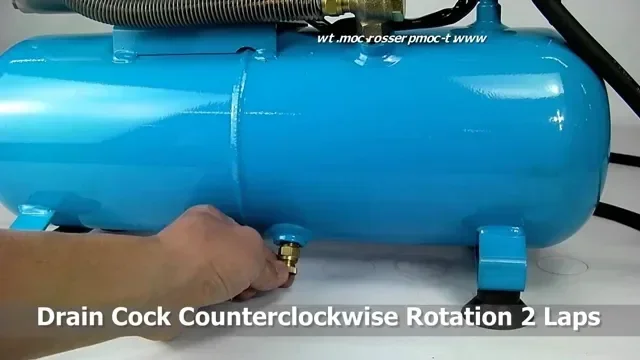
- Drain the tank: Moisture collects in the tank every time you run the compressor. Open the drain valve after each use to prevent rust buildup.
- Check for leaks: Listen for hissing sounds and feel around fittings for escaping air. A simple soapy water solution can reveal leaks you can’t see or hear.
- Inspect the hose: Look for cracks, kinks, or worn spots. Replace damaged hoses immediately to maintain consistent pressure.
Monthly and Seasonal Tasks
- Clean the intake filter: Remove the filter and tap it gently to dislodge dust. Wash it with soap and water if it’s very dirty, and let it dry completely before reinstalling.
- Check the pressure switch: Verify that the start and stop pressures match the factory settings. Adjust if needed per your manual’s instructions.
- Lubricate moving parts: If your compressor has an oil-lubricated pump, check the oil level monthly and change it every 500 hours of use or at least once a year.
When to Call a Professional
Some repairs are best left to the pros. Motor rewinding, tank welding, and major pump rebuilds require specialized tools and expertise. If you’re unsure about a repair, contact air compressor repair companies in your area. A professional diagnosis can save you money by preventing accidental damage from DIY attempts gone wrong.
Common Problems with Mini Air Compressor Parts
Even well-maintained compressors develop issues over time. Here are the most common problems and what causes them.
Compressor Won’t Start
This usually points to a faulty pressure switch, dead motor, or tripped circuit breaker. Check the pressure switch first — it’s the cheapest and easiest fix. If the switch tests fine, inspect the motor for burned windings or a blown capacitor.
Compressor Runs but Won’t Build Pressure
A failed check valve, worn piston rings, or a leaking intake valve can all cause this symptom. Start with the check valve since it’s the most accessible part to inspect and replace.
Excessive Noise or Vibration
Loose mounting bolts, a damaged pump, or a failing motor bearing can create excessive noise. Tighten all bolts first. If the noise persists, the pump or motor likely needs professional attention.
Air Leaks at Fittings
Thread sealant tape (also called Teflon tape) solves most fitting leaks. Simply unscrew the fitting, apply a few wraps of tape in the clockwise direction, and reconnect. If the fitting itself is damaged, replacement is the only real fix.
Tank Rust or Corrosion
Rust inside the tank weakens the metal and can eventually cause a catastrophic failure. Always drain moisture after each use. If you notice surface rust, have it professionally assessed. A rusted tank is not safe to use and should be replaced.
Pressure Switch Short Cycling
If the compressor turns on and off too frequently, the pressure switch may be set too close to its limits, or there’s a slow leak in the system. Adjust the switch differential or find and fix the leak. Running the compressor in short bursts wears out the motor faster than steady operation.
Quick Tips for Buying Mini Air Compressor Parts
Before you place any order, keep these tips in mind:
- Photograph your compressor before disassembling anything. Photos help you remember how parts fit together and make reassembly easier.
- Keep old parts until the new ones arrive. You can compare them side by side to confirm the match.
- Buy in pairs when possible. Items like seals, O-rings, and gaskets wear in pairs. Replacing both at once prevents repeat repairs.
- Read the return policy. A good parts store will accept returns on unused components within 30 days.
- Don’t skip the manual. Even if it’s old, your compressor’s manual contains specific torque specs, pressure settings, and part numbers that save time and frustration.
Where to Find Reliable Mini Air Compressor Parts
Your options for sourcing parts are broader than ever. Here’s a quick comparison of the most common channels:
- Manufacturer websites: Best for OEM parts with guaranteed compatibility. Often more expensive but highest quality assurance.
- Dedicated parts stores: A specialized air compressor parts store offers both OEM and aftermarket options with expert guidance. Great balance of price and reliability.
- Online marketplaces: Wide selection and competitive prices, but quality varies. Stick to sellers with strong reviews and clear return policies.
- Local repair shops: Some shops carry common replacement parts and can order specialty items. Plus, they can often install them for you.
No matter where you buy, always verify the part number against your compressor’s model. A small extra step upfront saves hours of frustration later.
Final Thoughts on Mini Air Compressor Parts
Knowing your mini air compressor parts puts you in control. Instead of calling a repair tech for every small issue, you can diagnose problems, order the right components, and do the fix yourself. That saves money, saves time, and builds real mechanical confidence.
Start with the basics — learn what the pump, motor, tank, pressure switch, and check valve do. From there, explore the smaller components like regulators, fittings, and filters. Each part you understand makes the next repair easier.
Keep a small inventory of commonly replaced items like O-rings, seals, and intake filters. Having these on hand means you’re ready when a problem strikes, and you won’t be stuck waiting for a shipment while your compressor sits idle.
Your mini compressor works hard for you. With the right parts and a little regular care, it’ll keep delivering reliable performance for years to come. Trust the process, follow the maintenance steps, and don’t be afraid to get your hands dirty.
For more help with your compressor, check out the air compressor troubleshooting guide for step-by-step solutions to common issues. And if you’re looking for a complete repair solution, an air compressor repair kit has most of the essential seals, gaskets, and fittings you’ll need in one convenient package.
Frequently Asked Questions
What are the most common mini air compressor parts that need replacing?
The most frequently replaced parts include the pressure switch, check valve, intake filter, seals and O-rings, and the air hose. These components experience the most wear due to regular cycling, moisture exposure, and friction. Keeping spare seals and filters on hand can prevent downtime when parts fail.
How do I know if my mini air compressor part is compatible with my model?
Always check the model number on your compressor’s label and match it against the part number in the manufacturer’s catalog. Using a parts diagram or exploded view helps you identify the exact component. When in doubt, contact the seller and provide your model number for confirmation before purchasing.
Can I use aftermarket mini air compressor parts instead of OEM parts?
Yes, quality aftermarket parts work well for most applications and can save you significant money. Look for aftermarket parts from reputable brands that offer warranty coverage and positive customer reviews. The key is ensuring the part meets the same pressure ratings, dimensions, and material specifications as the original.
How often should I replace the seals and gaskets in my mini compressor?
Seals and gaskets typically need replacement every 1 to 2 years with regular use, or sooner if you notice air leaks or pressure drops. In dusty or humid environments, they may wear faster. Inspecting seals during routine maintenance helps you catch wear before it becomes a bigger problem.
Where can I find a complete set of mini air compressor parts for my model?
A dedicated air compressor parts store is your best bet for finding complete part sets. Many stores offer model-specific kits that include the most commonly replaced components. You can also check the manufacturer’s website or contact their customer service for a full parts list.
Is it worth repairing an old mini compressor, or should I buy a new one?
If the repair involves replacing common parts like the pressure switch, seals, or check valve, fixing it is almost always worth the cost. However, if the motor or pump is severely damaged, the repair expense may approach the cost of a new unit. Evaluate the age of the compressor, the cost of parts, and your usage needs before deciding.