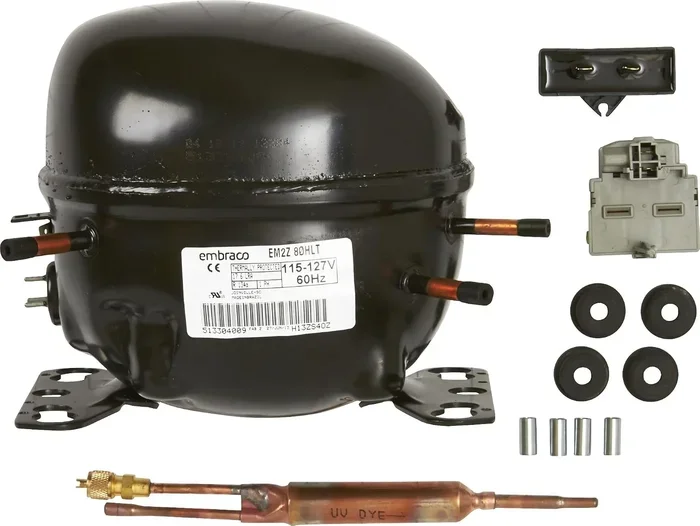
How to Silence Window Air Conditioner Compressor Noise
Window air conditioner compressor noise can disrupt your comfort and signal serious problems. This guide covers the most common causes of a loud or noisy AC compressor, from loose parts and refrigerant leaks to failing capacitors and worn motor bearings. You will learn simple DIY fixes, preventive maintenance steps, and clear signs that mean it is time to call a professional.
Nothing ruins a summer evening quite like the relentless drone of a window air conditioner compressor noise. You came home expecting cool, quiet comfort. Instead, your window AC unit sounds like a small engine that cannot decide whether to hum, rattle, or scream. That noise is not just annoying. It is your unit telling you something needs attention.
A noisy air conditioner compressor can mean many things. Sometimes it is a simple fix you can handle in minutes. Other times, it points to a deeper problem that requires professional help. Either way, ignoring the noise almost always makes things worse. The good news is that most causes of AC compressor humming and rattling are easy to diagnose once you know what to listen for.
In this guide, we walk you through every common reason your window unit compressor makes excessive noise. We share practical fixes you can do yourself. We also explain when it is time to pick up the phone and call a technician. By the end, you will have a clear roadmap to a quieter, more efficient cooling system.
Key Takeaways
- Loose mounting and vibration: A poorly secured window unit is the most common reason for excessive compressor noise.
- Refrigerant leaks cause hissing: Low refrigerant forces the compressor to work harder, creating loud sounds and reducing cooling power.
- Capacitor and relay failure: Clicking or humming noises often point to electrical components that are wearing out.
- DIY fixes work for minor noise: Tightening panels, cleaning coils, and adding vibration pads can reduce noise significantly.
- Know when to call a pro: Grinding, loud banging, or persistent humming means professional compressor repair or replacement may be needed.
- Regular maintenance prevents noise: Cleaning filters, checking refrigerant, and inspecting parts yearly keeps your unit running quietly.
📑 Table of Contents
Why Does Your Window AC Compressor Get Noisy?
Your window air conditioner compressor works hard. It pressurizes refrigerant gas to remove heat from your room. Over time, normal wear and tear takes a toll. Parts loosen. Coils get dirty. Electrical components degrade. Each of these issues can produce a distinct type of noise.
Understanding why noise happens is the first step toward fixing it. A noisy window AC is rarely broken beyond repair. In most cases, the root cause is something simple that you can address with basic tools and a little patience. Let us break down the most common culprits.
Normal Wear and Tear
Every compressor has moving parts. Pistons, valves, bearings, and fans all work together under high pressure. After years of use, these components naturally wear down. Bearings get rough. Fan blades get bent. The result is a compressor that gets louder over time. This is especially common in units that are five years old or older.
Poor Installation
Many window AC noise problems start at installation. If the unit is not level, not securely mounted, or packed too tightly in the window frame, vibration amplifies. That vibration travels through the wall and into your room. A unit that rattles constantly almost always has an installation issue at its core.
Lack of Maintenance
Skipping regular AC maintenance is one of the fastest ways to invite compressor noise. Dirty coils force the compressor to run longer and harder. Clogged filters restrict airflow. Low refrigerant levels strain every component. A little seasonal care goes a long way toward keeping things quiet.
Common Types of Window AC Compressor Noise
Not all compressor noise sounds the same. The type of sound your unit makes gives you a strong clue about what is wrong. Here are the most common AC compressor noise types and what they mean.
Hissing or Whistling
A hissing sound usually means refrigerant is leaking. Your system needs the right amount of refrigerant to operate efficiently. When levels drop, the compressor struggles to pressurize the remaining gas. This creates a high-pitched hiss or whistle. You may also notice your room is not cooling as well as it used to.
If you suspect a refrigerant leak, do not try to fix it yourself. Refrigerant handling requires certification. Call a licensed technician to check your refrigerant levels and repair the leak safely.
Loud Humming
A steady AC compressor humming is often caused by electrical problems. The compressor motor may be drawing too much current. A failing capacitor or contact relay can produce a loud, constant hum. In some cases, the compressor is simply overheating and the motor is straining.
Humming that gets louder over time is a warning sign. It usually means the compressor is working harder than it should. Left unchecked, this can lead to a full compressor failure.
Rattling or Clanking
Rattling and clanking noises often come from loose or broken parts inside the unit. A loose fan blade, a broken spring mount, or debris trapped near the compressor can all cause this type of sound. In older units, internal components may have shifted or worn to the point of making contact with other parts.
Rattling that gets worse over time is a red flag. It can mean a part is about to break entirely. Address it quickly before a small problem becomes a costly repair.
Clicking Sounds
Occasional clicking when the compressor starts or stops is normal. But constant clicking usually points to a failing compressor relay or a thermal overload that is tripping repeatedly. The relay controls the electrical current that starts the compressor. When it wears out, it clicks rapidly as it tries and fails to engage.
Grinding or Screaming
Grinding or screaming is the most serious type of compressor noise. It almost always means internal mechanical failure. Bearings have seized. Metal parts are grinding against each other. This type of noise demands immediate attention. Turn the unit off right away to prevent further damage.
DIY Fixes to Reduce Window AC Compressor Noise
Before you call a technician, try these simple fixes that address the most common causes of window AC compressor noise. Many of these steps take just a few minutes and require no special tools.
Check the Mounting and Level
Start with the basics. Is your window unit sitting level? An unlevel compressor vibrates more than it should. Use a simple bubble level to check. If the unit is tilted, adjust the mounting brackets until it sits flat. Also make sure the unit is firmly secured in the window frame. Loose units rattle every time the compressor kicks on.
Tighten All Panels and Covers
Over time, screws and bolts on your window AC unit can loosen. Walk around the exterior and check every panel. Tighten any screws that feel loose. Pay special attention to the housing around the compressor. A loose panel can amplify vibration noise significantly.
Clean the Condenser Coils
Dirty condenser coils force the compressor to run longer cycles. Longer runs mean more noise. Use a soft brush or a coil cleaning spray to remove dust, dirt, and debris from the coils. This simple step improves efficiency and often reduces noise noticeably.
Replace the Air Filter
A clogged air filter restricts airflow. Your compressor has to work overtime to cool the room. That extra work creates more noise. Check your filter every two weeks during heavy use. Replace it when it looks dirty or feels clogged. Clean filters mean a quieter, more efficient unit.
Add Vibration Pads
Vibration is one of the biggest contributors to window AC noise. Anti-vibration pads placed under the compressor housing absorb sound and reduce rattling. These pads are inexpensive and easy to install. They can make a surprising difference in how much noise your unit produces.
Check for Debris Around the Unit
Leaves, sticks, and other debris can get trapped near the compressor or fan. This creates rattling and buzzing sounds. Turn off the unit and carefully inspect the area around the condenser. Remove any foreign objects you find. Keeping the area clean is a simple but often overlooked fix.
Inspect the Fan Blade
A bent or damaged fan blade causes uneven airflow and loud noise. Remove the front panel and visually inspect the blade. If it is bent, cracked, or wobbling, replace it. Fan blades are usually inexpensive and easy to swap out. A new blade can instantly quiet a noisy compressor.
When to Call a Professional
Some window air conditioner compressor noise problems are beyond DIY fixes. Knowing when to call a professional saves you time, money, and the risk of making things worse.
Signs You Need Expert Help
Call a technician if you notice any of these warning signs:
- Persistent grinding or screaming: This means internal mechanical failure is likely happening right now.
- Refrigerant leaks: Hissing sounds paired with poor cooling need professional diagnosis.
- Electrical burning smell: Any burning odor from the unit is a serious safety concern.
- Compressor will not start: If the unit clicks but does not run, the relay or capacitor may be dead.
- Noise returns after DIY fixes: If you have tried the steps above and the noise continues, a deeper issue is at play.
Cost Considerations
The cost to repair or replace a window AC compressor varies widely. A simple capacitor replacement might cost under $150. A full compressor replacement can run several hundred dollars or more. In many cases, the cost of a new compressor approaches the cost of a new unit entirely. Check current compressor pricing before committing to a major repair.
If your unit is older than eight years, replacement is often the smarter choice. Newer models are quieter, more energy efficient, and come with better warranties. A new window air conditioner can eliminate noise problems for years to come.
Preventive Maintenance for a Quieter AC
The best way to deal with window AC compressor noise is to prevent it from happening in the first place. A regular maintenance routine keeps your unit running smoothly and quietly all summer long.
Seasonal Cleaning Schedule
Create a simple cleaning routine. At the start of each cooling season, do the following:
- Clean or replace the air filter.
- Wash the condenser coils with a gentle cleaner.
- Inspect the fan blade for damage.
- Check all panels and screws for tightness.
- Remove any debris from around the unit.
This five-minute routine takes almost no effort but pays off in quieter operation and better efficiency.
Annual Professional Tune-Up
Even with diligent DIY care, a professional tune-up once a year is worth it. A technician will check refrigerant levels, test electrical components, and inspect the compressor for early signs of wear. Think of it as an oil change for your AC. It catches small problems before they become big, noisy ones.
Use Your Unit Wisely
How you use your window AC affects how much noise it makes. Set the thermostat to a reasonable temperature. Do not set it too cold, because that forces the compressor to overwork. Use a programmable thermostat to cycle the unit on and off efficiently. Give the compressor regular breaks, especially during cooler evenings.
Monitor for Early Warning Signs
Pay attention to changes in your unit’s sound. A compressor that gets gradually louder is telling you something. Catching small changes early makes repair easier and cheaper. If you notice a new sound that was not there before, investigate it promptly.
Learn how to tell if your compressor is failing before it completely breaks down. Early detection is your best defense against costly repairs and sleepless nights.
Final Thoughts
A noisy window air conditioner compressor does not have to ruin your summer. Most causes of compressor noise are fixable, and many are simple enough to handle yourself. Start with the basics: check the mounting, tighten the panels, clean the coils, and replace the filter. These steps solve the problem more often than you might expect.
When DIY fixes are not enough, do not hesitate to call a professional. A qualified technician can diagnose electrical issues, refrigerant leaks, and mechanical failures safely and effectively. And when repair costs start to climb, consider that a new, quiet unit might be the better investment.
Regular maintenance is your best long-term strategy. A little care each season keeps your window AC compressor running smoothly and quietly for years. You deserve cool comfort without the noise. Use the tips in this guide, and enjoy a peaceful summer in your own home.
Frequently Asked Questions
What causes loud noise from a window AC compressor?
Loud noise from a window AC compressor is usually caused by loose mounting, dirty condenser coils, a failing capacitor, or refrigerant leaks. Worn internal bearings and damaged fan blades can also produce loud rattling or grinding sounds. Regular maintenance and timely repairs help prevent most noise issues.
Is it normal for a window AC compressor to make noise?
Some noise is normal when a window AC compressor runs. A low hum or soft clicking at startup is expected. However, loud humming, rattling, hissing, or grinding is not normal and usually signals a problem that needs attention. The louder and more persistent the noise, the more urgent the fix.
Can I fix a noisy window AC compressor myself?
Yes, many noise issues can be fixed with simple DIY steps. Tightening loose panels, cleaning condenser coils, replacing clogged filters, and adding vibration pads often solve the problem. For electrical issues, refrigerant leaks, or internal mechanical failures, a professional technician is the safer choice.
How much does it cost to repair a window AC compressor?
Repair costs vary depending on the problem. A capacitor replacement typically costs $100 to $200. Refrigerant leak repairs range from $150 to $400. Full compressor replacement can exceed $500. In many cases, the cost of repair approaches the price of a new unit, so weigh your options carefully.
How do I know if my window AC compressor is about to fail?
Warning signs include persistent grinding or screaming noises, the unit clicking but not starting, frequent circuit breaker trips, and poor cooling performance. A burning smell or visible refrigerant leaks also indicate serious trouble. If you notice any of these signs, turn the unit off and call a professional immediately.
Does cleaning the coils really reduce AC compressor noise?
Yes, cleaning the condenser coils can significantly reduce compressor noise. Dirty coils force the compressor to work harder and run longer, which amplifies vibration and sound. Clean coils improve airflow, reduce strain on the compressor, and often make the unit noticeably quieter after just one cleaning.