Ac Compressor Failure Symptoms You Should Never Ignore
Ac compressor failure symptoms can sneak up on you, but catching them early saves you from expensive repairs and uncomfortable drives. This guide covers every warning sign, from strange noises and warm air to burning smells and leaking refrigerant. You will learn how to spot problems early, understand what causes them, and take action before your ac compressor dies completely.
Your car’s ac compressor is the heart of the entire air conditioning system. When it starts to fail, your comfort goes right out the window. More importantly, ignoring ac compressor failure symptoms can lead to much bigger and costlier problems down the road.
Maybe you have noticed a weird noise coming from under the hood. Or perhaps the air blowing into your cabin feels warm instead of cool. Whatever the sign, you are not alone. Thousands of drivers face ac compressor issues every year, and most of them wish they had caught the problem sooner.
This article breaks down every ac compressor failure symptom you should never ignore. We will walk you through what each sign means, why it happens, and what you can do about it. By the end, you will know exactly when to pull over and when it is safe to keep driving to a repair shop.
Let us get into it, because your ac compressor is trying to tell you something, and the sooner you listen, the better off you will be.
Key Takeaways
- Strange noises like grinding or clicking: These are early ac compressor failure symptoms that point to internal wear or a failing clutch.
- Warm air from vents: A clear sign your ac compressor is not pumping refrigerant properly and needs attention.
- Burning smell or leaking fluid: These symptoms can signal serious internal damage or refrigerant leaks that worsen over time.
- AC clutch not engaging: A stuck clutch means the compressor cannot start, and you need to diagnose the root cause fast.
- Short cycling and frequent trips: Your ac compressor shutting on and off repeatedly is a red flag for electrical or pressure problems.
- Early detection saves money: Fixing small ac compressor problems early prevents full replacement and keeps repair costs low.
📑 Table of Contents
- What Is an AC Compressor and Why Does It Matter?
- Top AC Compressor Failure Symptoms You Should Never Ignore
- Common Causes of AC Compressor Failure
- How to Diagnose AC Compressor Problems
- What Happens When the AC Compressor Goes Out Completely?
- How to Fix a Failing AC Compressor
- Preventing AC Compressor Failure
- Quick Tips for Dealing with AC Compressor Symptoms
- When to Replace vs. When to Repair
- Key Takeaways
What Is an AC Compressor and Why Does It Matter?
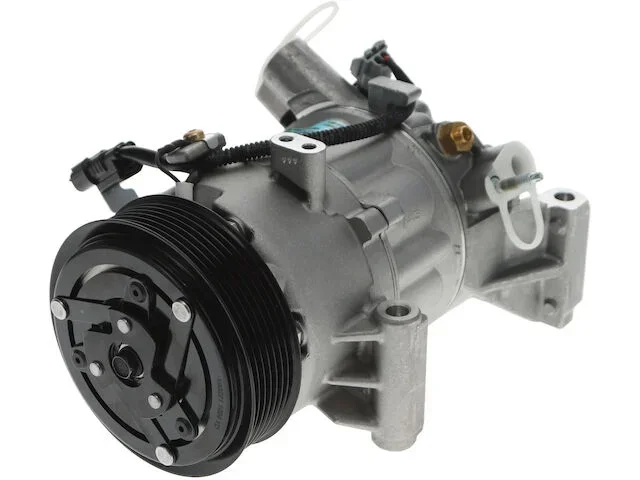
The ac compressor is a belt-driven component located in your car’s engine bay. It pressurizes and circulates refrigerant through the ac system. Without a working compressor, the entire air conditioning system simply cannot function. Think of it like the engine of your ac system, if it stops, everything stops.
When the ac compressor works properly, it keeps your cabin cool and comfortable. When it starts to fail, you get weak cooling, strange sounds, and eventually a completely dead ac system. Understanding how the compressor works helps you recognize ac compressor failure symptoms faster and take action before total breakdown.
How the AC Compressor Works
Here is a simple breakdown of the process:
- The compressor draws in low-pressure refrigerant gas from the evaporator.
- It compresses the gas into high-pressure, high-temperature refrigerant.
- The hot gas flows to the condenser, where it releases heat and becomes a liquid.
- The liquid refrigerant then moves through the expansion valve and back to the evaporator to cool the cabin air.
Every step in this cycle depends on the compressor working correctly. One failing part disrupts the whole loop, which is why ac compressor failure symptoms show up so quickly and clearly.
Top AC Compressor Failure Symptoms You Should Never Ignore
Your ac compressor will give you plenty of warning before it completely fails. The key is knowing what to look for. Here are the most common ac compressor failure symptoms every driver should recognize.
1. Strange Noises from the AC Compressor
One of the most obvious ac compressor failure symptoms is unusual noise. A healthy compressor runs quietly and smoothly. When something goes wrong, the sounds change, and they are hard to miss.
If you hear a loud grinding or squealing noise when you turn on the ac, this could mean the internal bearings are worn out. A clicking sound often points to a failing ac compressor clutch that cannot engage properly. Some drivers describe a knocking or rattling noise, which usually signals loose or broken internal components.
Do not wait for the noise to get louder. These sounds rarely fix themselves. Instead, they get worse over time and can lead to complete compressor lockup. If you hear anything unusual, have a mechanic inspect the ac compressor as soon as possible.
2. Warm Air Blowing from the Vents
This is probably the most frustrating ac compressor failure symptom. You turn on the ac expecting cool air, and all you get is warm or room-temperature air. The problem usually starts small, with the ac blowing slightly warm, and then gets progressively worse.
When the ac compressor fails, it cannot pressurize the refrigerant properly. Without proper pressure, the refrigerant cannot absorb heat from the cabin air. The result is weak or completely warm air from every vent.
Sometimes the issue is a refrigerant leak rather than compressor failure itself. But if the compressor is the cause, checking the compressor should be your first step. A simple ac compressor test can tell you whether the compressor is still working or needs replacement.
3. AC Clutch Not Engaging
The ac compressor clutch is what connects the compressor to the engine belt. When you turn on the ac, the clutch should engage and spin the compressor. If the clutch does not engage, the compressor cannot do its job.
Common reasons the clutch fails to engage include:
- A blown ac compressor fuse or relay.
- Low refrigerant levels triggering a safety switch.
- A faulty ac compressor clutch coil.
- Wiring problems between the clutch and the ac control module.
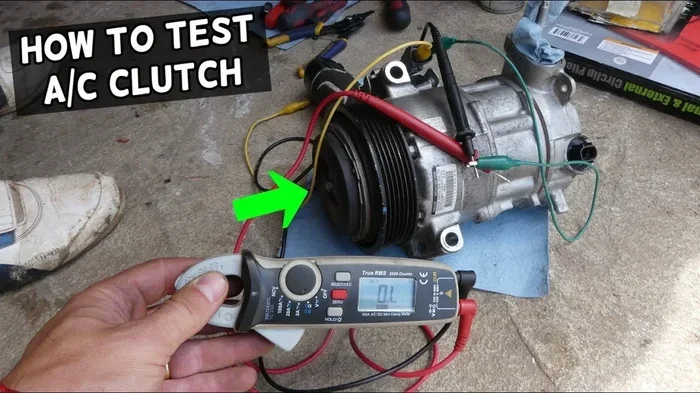
If the clutch engages sometimes but not always, that is a sign of intermittent electrical failure. This is one of those ac compressor failure symptoms that can be tricky to diagnose. If you are unsure, checking how to test the ac compressor clutch can help you narrow down the problem.
4. Burning Smell or Fluid Leaks
A burning smell coming from the engine bay when you turn on the ac is a serious warning sign. This smell often means the ac compressor clutch is overheating or the compressor is seizing internally. In some cases, it can also indicate that the compressor’s internal wiring or insulation is burning due to electrical failure.
Fluid leaks are another alarming symptom. The ac system uses refrigerant, and if you notice an oily or greasy residue around the ac compressor, there is likely a refrigerant leak. Running the ac with low refrigerant causes extra strain on the compressor and accelerates wear and tear.
If you smell burning or see any fluid leaks, turn off the ac immediately and get the vehicle inspected. Continuing to drive with these symptoms can cause permanent damage to the compressor and other ac components.
5. AC Compressor Short Cycling
Short cycling means the ac compressor turns on and off repeatedly in quick succession. A healthy ac compressor should run in steady cycles, usually lasting several minutes at a time. If you notice the ac compressor kicking on for just a few seconds and then shutting off, that is short cycling, and it is a major red flag.
Short cycling can be caused by:
- Low refrigerant levels due to a leak.
- A faulty ac pressure switch.
- Electrical issues in the ac control circuit.
- An overworked compressor struggling under too much pressure.
Short cycling puts enormous stress on the ac compressor because the compressor never gets a chance to properly lubricate its internal parts. Over time, this leads to increased wear and eventual compressor failure. If you notice this pattern, do not ignore it. Have the system checked for leaks and pressure problems right away.
6. AC Compressor Hard Starting
Hard starting means the ac compressor takes a long time to kick on after you press the ac button. Sometimes you hear the clutch try to engage but it just clicks and fails. Other times, the compressor eventually starts but struggles to build proper pressure.
Hard starting is often an early ac compressor failure symptom. It usually means the internal components are wearing out and the compressor needs more effort to begin its cycle. In some cases, the problem is a failing ac compressor relay or a weak electrical connection, but worn internal parts are the most common cause.
If your ac compressor is hard starting, you should address it immediately. What starts as a minor delay can quickly turn into a complete compressor seizure that leaves you without any ac at all.
Common Causes of AC Compressor Failure
Understanding what causes ac compressor failure helps you prevent it from happening in the first place. Here are the most common reasons ac compressors go bad.
Low Refrigerant Levels
When the refrigerant level drops too low, the ac compressor has to work much harder to cool the cabin. This extra strain causes overheating, increased wear, and eventually compressor failure. Low refrigerant is almost always caused by a leak somewhere in the ac system, and finding that leak is the first step to fixing the problem.
Dirty or Clogged Condenser
The condenser releases heat from the refrigerant. When it becomes clogged with dirt, debris, or bugs, the refrigerant cannot cool down properly. This raises the pressure in the system and forces the ac compressor to work under extreme conditions. Over time, this extra pressure leads to premature compressor wear.
Electrical Problems
The ac compressor relies on a network of wires, fuses, relays, and sensors to operate. Any one of these components can fail and prevent the compressor from working correctly. Corroded connectors, blown fuses, and faulty relays are common electrical issues that mimic compressor failure symptoms even when the compressor itself is still in good condition.
Lack of Lubrication
The ac compressor needs proper lubrication to keep its internal moving parts running smoothly. If the refrigerant oil level drops or if the wrong type of oil is used, the internal components grind against each other and wear out quickly. This is one of the most preventable causes of ac compressor failure, yet it happens more often than you might think.
Old Age and Normal Wear
Like any mechanical component, the ac compressor has a limited lifespan. Most ac compressors last between 10 and 15 years, depending on how much the system is used and how well it is maintained. As the compressor ages, internal parts naturally wear down, and failure symptoms become more likely.
How to Diagnose AC Compressor Problems
If you suspect your ac compressor is failing, there are a few steps you can take to confirm the problem before visiting a mechanic. Diagnosing ac compressor issues early can save you a lot of time and money.
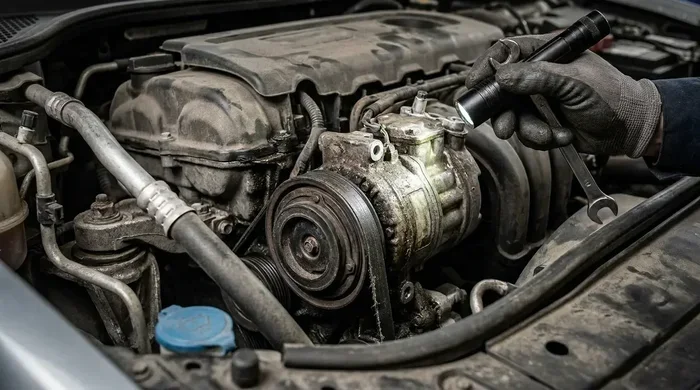
Start by turning on the ac and listening carefully. Do you hear any grinding, clicking, or rattling sounds? Next, check the air temperature coming from the vents. Is it warm when it should be cold? Then, look under the hood at the ac compressor clutch. Does it engage when you turn on the ac, or does it stay still?
For a more thorough diagnosis, you can use a multimeter to check the ac compressor clutch coil for electrical continuity. You can also check the ac pressure ports with ac gauges to see if the system has proper refrigerant pressure. If you are not comfortable doing these checks yourself, a professional mechanic can perform a full ac system diagnostic quickly and accurately.
If you want a deeper dive into the diagnostic process, this guide on diagnosing a bad ac compressor walks you through every step in detail.
What Happens When the AC Compressor Goes Out Completely?
A completely failed ac compressor means your air conditioning system is dead. No air will be cold, no matter how long you run it. But the damage does not always stop there. When an ac compressor seizes or fails internally, it can send debris and metal fragments through the entire ac system, contaminating the condenser, expansion valve, and evaporator.
In many cases, a complete compressor failure means you need to replace not just the compressor but also other contaminated ac components. This is why it is so important to address ac compressor failure symptoms as soon as they appear. The longer you drive with a failing compressor, the more damage it can cause to the rest of the ac system.
To understand the full impact of a failed compressor, here is a detailed look at what happens when the ac compressor goes out and what you should expect.
How to Fix a Failing AC Compressor
The fix for a failing ac compressor depends on the severity of the problem. Some issues are simple and inexpensive, while others require a full compressor replacement.
For minor problems like a faulty relay, a blown fuse, or a stuck clutch, the repair is usually quick and affordable. These fixes often cost between $100 and $300 and can get your ac system running again in a single visit to the shop.
When the compressor itself is damaged beyond repair, a full replacement is necessary. Ac compressor replacement costs typically range from $500 to $1,500 depending on the vehicle make and model, labor rates in your area, and whether other ac components were also damaged. This detailed guide on how to fix an ac compressor covers both minor repairs and full replacement options so you know what to expect.
No matter which fix applies to your situation, the most important thing is to act quickly. Every day you drive with a failing compressor, the problem gets worse and the repair bill gets higher.
Preventing AC Compressor Failure
The best way to deal with ac compressor failure symptoms is to prevent them from happening in the first place. Here are some simple tips that can extend the life of your ac compressor and keep your system running smoothly.
- Run the ac regularly: Even in winter, run the ac for at least 10 minutes every week. This keeps the compressor lubricated and the seals from drying out.
- Check refrigerant levels annually: Have a mechanic check your ac system’s refrigerant level every year. Catching a low charge early prevents extra strain on the compressor.
- Replace the cabin air filter: A clean cabin filter allows proper airflow, which reduces the workload on the entire ac system including the compressor.
- Address leaks immediately: If you notice any refrigerant leaks, get them repaired right away. Running the ac with low refrigerant is one of the fastest ways to destroy a compressor.
- Keep the condenser clean: Hose down the condenser area occasionally to remove dirt, bugs, and debris that can block airflow and raise system pressure.
These small habits take almost no time but can add years to the life of your ac compressor. Prevention is always cheaper and easier than repair.
Quick Tips for Dealing with AC Compressor Symptoms
Here are some quick, practical tips to keep in mind when you notice ac compressor failure symptoms:
- Do not ignore warning signs. Even a small noise or slight drop in cooling performance is worth investigating.
- Turn off the ac if you smell burning. Continuing to run the ac with a burning smell can cause irreversible damage.
- Check the fuses and relays first. Sometimes the problem is electrical and not the compressor itself, which is good news for your wallet.
- Keep your ac system serviced regularly. Annual ac maintenance catches small problems before they become big ones.
- Do not try to recharge refrigerant yourself without finding the leak first. Adding refrigerant to a leaking system just masks the problem and causes more damage over time.
When to Replace vs. When to Repair
Deciding whether to repair or replace your ac compressor is one of the most important decisions you will face. Here is a simple way to think about it:
- Repair if: The problem is electrical, the clutch is failing but the compressor body is still good, or the repair cost is less than half the replacement cost.
- Replace if: The compressor has seized internally, there is significant metal contamination in the ac system, or the repair cost is close to the replacement cost.
A good mechanic can help you make this decision. They can inspect the ac compressor, check for internal damage, and give you a clear recommendation based on the condition of your specific unit.
Key Takeaways
- Strange noises are early warnings: Grinding, clicking, or rattling sounds from the ac compressor mean internal components are wearing out and need inspection.
- Warm air is a clear sign: If your ac blows warm air, the compressor is likely not pressurizing refrigerant correctly and needs diagnosis.
- The clutch must engage properly: A clutch that does not engage means the compressor cannot run, and the cause could be electrical or mechanical.
- Burning smells and leaks are emergencies: These symptoms indicate serious internal damage or refrigerant loss that can destroy the entire ac system if ignored.
- Short cycling and hard starting are progressive symptoms: They get worse over time and lead to complete compressor failure if not addressed.
- Prevention is always cheaper than repair: Regular ac maintenance, clean condenser, and proper refrigerant levels keep the compressor healthy for years.
Frequently Asked Questions
What are the first signs of AC compressor failure?
The first signs of ac compressor failure are usually strange noises like grinding or clicking, a noticeable drop in cooling performance, and the ac clutch not engaging when you turn on the air. These early symptoms are your best chance to catch the problem before it becomes a full compressor failure.
Can I still drive my car if the AC compressor is failing?
You can still drive, but it is not recommended for long distances. A failing compressor can cause further damage to the ac system and may eventually leave you without any cooling at all. If you notice ac compressor failure symptoms, get the vehicle inspected as soon as possible.
How much does it cost to replace an AC compressor?
Ac compressor replacement costs typically range from $500 to $1,500 depending on your vehicle, labor rates, and whether other ac components were also damaged. Getting a diagnosis early can help you avoid more expensive repairs down the road.
What causes an AC compressor to fail prematurely?
The most common causes of premature ac compressor failure are low refrigerant levels from leaks, lack of lubrication, electrical problems, a clogged condenser, and normal wear over time. Regular maintenance can prevent most of these causes.
Is it safe to drive with a clicking AC compressor?
A clicking noise from the ac compressor often means the clutch is struggling to engage. It is generally safe for short trips, but you should have a mechanic check it soon. Ignoring the clicking can lead to a completely seized compressor that requires full replacement.
Can low refrigerant cause AC compressor failure?
Yes, absolutely. Low refrigerant forces the ac compressor to work harder and run hotter than normal. Over time, this extra strain causes internal wear, overheating, and eventual compressor failure. Keeping refrigerant levels at the proper amount is one of the easiest ways to protect your ac compressor.
=== CONCLUSION ===
Ac compressor failure symptoms are your vehicle’s way of telling you something is wrong, and you should never ignore them. From strange noises and warm air to burning smells and clutch problems, each symptom is a clue that helps you identify the issue early. The faster you respond, the less damage occurs and the lower your repair bill will be.
Remember that your ac compressor is the central component of the entire air conditioning system. When it fails, it does not just affect your comfort. It can also damage other expensive parts of the ac system if you keep driving without addressing the problem.
Use the tips and information in this guide to stay ahead of ac compressor problems. Check your ac system regularly, listen for unusual sounds, and never ignore warning signs. With proper care and timely repairs, your ac compressor can keep you cool and comfortable for many years to come.
Stay proactive, stay informed, and never let ac compressor failure symptoms go unchecked. Your wallet and your comfort will thank you.