Low Pressure Compressor Buyers Guide And Top Picks
A low pressure compressor is a versatile tool perfect for home workshops, DIY projects, and light-duty tasks. This guide covers everything you need to know, from understanding PSI and CFM ratings to our top product picks. You will learn what to look for, what to avoid, and how to get the best value for your money.
A low pressure compressor is one of the most useful tools you can own. Whether you are inflating car tires, running a nail gun, or simply powering small pneumatic tools, the right compressor makes the job faster and easier. But with so many options on the market, choosing the best one can feel overwhelming. That is exactly why we put together this guide.
In this buyers guide, we will walk you through everything you need to know about low pressure air compressors. We will explain how they work, what features matter, and share our top picks for 2024. By the end, you will feel confident making a smart purchase. Let us get started.
Key Takeaways
- Low pressure compressors typically operate below 150 PSI and are ideal for inflating tires, powering light pneumatic tools, and general home use.
- CFM rating matters more than PSI when choosing the right size compressor for your specific tasks.
- Oil-free models require less maintenance and are better suited for indoor garage workshops.
- Portability and tank size should guide your decision based on where and how you plan to use the compressor.
- Top brands like Makita, California Air Tools, and DeWalt offer reliable low pressure options at various price points.
- Regular maintenance extends compressor life and keeps performance consistent over time.
📑 Table of Contents
- What Is A Low Pressure Compressor?
- Key Features To Consider When Buying
- Top Low Pressure Compressor Picks
- How To Choose The Right Low Pressure Compressor
- Common Mistakes To Avoid
- Expert Insights On Low Pressure Compressor Performance
- Maintenance Tips For Longevity
- Why A Low Pressure Compressor Is Worth It
- Final Thoughts
What Is A Low Pressure Compressor?
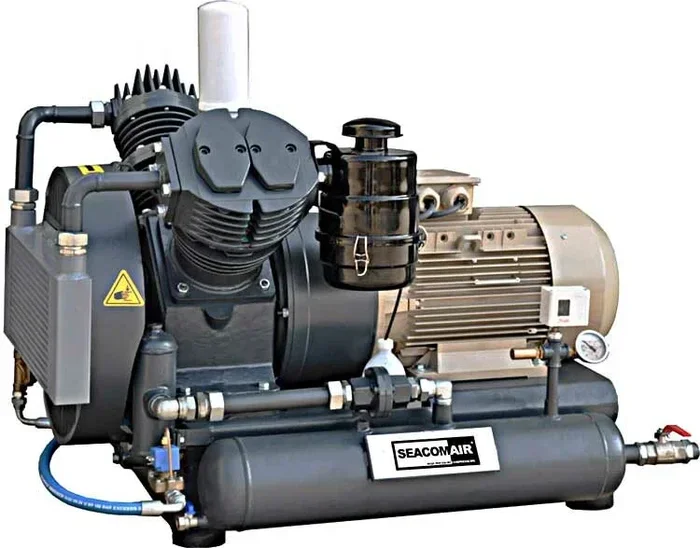
A low pressure compressor is a device that draws in ambient air and compresses it to a lower pressure level. Most models operate below 150 PSI (pounds per square inch). This makes them perfect for everyday tasks around the home and workshop. You will find them in garages, garages, and even on job sites where heavy-duty pressure is not needed.
These compressors come in several types. The most common are reciprocating compressors and rotary screw compressors. Reciprocating models use a piston to compress air. Rotary screw models use two rotating screws. For most home users, a reciprocating low pressure compressor is the best choice. It is affordable, reliable, and easy to maintain.
How Does A Low Pressure Compressor Work?
The basic process is simple. The compressor pulls in air through an intake valve. A motor drives a piston or impeller that squeezes the air. The compressed air then flows into a storage tank. When you pull the trigger on a tool or attach a tire inflator, the stored air is released at the desired pressure.
The pressure switch controls when the compressor turns on and off. When tank pressure drops below a set level, the compressor kicks in. When it reaches the upper limit, it shuts off. This automatic cycle keeps your tools running smoothly without constant manual effort.
Key Features To Consider When Buying
Not all low pressure compressors are created equal. Before you buy, consider these key features carefully. They will determine how well the compressor fits your needs.
PSI and CFM Ratings
PSI stands for pounds per square inch. It measures how much pressure the compressor can deliver. CFM stands for cubic feet per minute. It measures the volume of air the compressor can produce. Both numbers matter. For light-duty tasks like inflating tires, a compressor with 90 to 150 PSI and 2 to 4 CFM works great. If you plan to run multiple tools at once, you need a higher CFM rating.
To understand what CFM means on an air compressor, think of it like water flow from a garden hose. More CFM means more air available at once. This is critical if you use impact wrenches or sandblasters. Always check the tool requirements before buying a compressor.
Tank Size
Tank size affects how long you can run tools continuously. A larger tank holds more compressed air. This means the motor does not need to cycle on and off as often. For quick jobs like tire inflation, a small tank is fine. For sanding or painting, a larger tank delivers smoother, more consistent airflow.
Common tank sizes range from 1 gallon to 80 gallons. For most home users, a 2 to 6 gallon tank hits the sweet spot. It is compact, portable, and provides enough air for typical tasks.
Power Source and Motor
Most low pressure compressors run on standard 120V household outlets. Some larger models require 240V. You should also consider how many watts a small air compressor uses. Typical home models draw between 1000 and 1500 watts. This is important if you plan to use the compressor on a generator or in a workshop with limited electrical capacity.
Motor type matters too. Oilless motors are popular because they require no maintenance. Oil-lubricated motors run cooler and last longer under heavy use. For a typical home garage, an oilless motor is the way to go.
Noise Level
Compressors can be loud. Some models operate at over 80 decibels, which is like sitting in heavy traffic. If you are working in a garage attached to your house, noise matters. Look for compressors rated below 70 dB. Many modern low pressure compressors are designed with quieter motors and sound-dampening tanks.
Portability
If you move your compressor around often, portability is key. Look for models with built-in handles and wheels. Compact designs weigh between 20 and 50 pounds. This makes them easy to carry from room to room or load into a truck for job sites.
Top Low Pressure Compressor Picks
After reviewing dozens of models, we narrowed the field to our top recommendations. Each of these low pressure compressors offers great value and solid performance for home users.
1. Makita MAC2400
The Makita MAC2400 is a favorite among DIYers. It delivers 4 CFM at 90 PSI, which is plenty for most home tasks. The oil-lubricated motor runs smoothly and quietly. It also features a large tank and sturdy wheels for easy movement.
Best for: Users who need reliable performance for a variety of pneumatic tools.
2. California Air Tools 1P1060S
This is an excellent oil-free low pressure compressor. It weighs just 28 pounds and operates at only 56 dB. That is quieter than a normal conversation. The ultra-quiet pump technology makes it ideal for indoor use. It delivers 2.6 CFM at 90 PSI, which handles tire inflation and light nail guns with ease.
Best for: Homeowners who need a quiet, lightweight compressor for garage and home use.
3. DeWalt D55168
The DeWalt D55168 is a rugged pancake compressor. It offers 2.5 CFM at 90 PSI and features a 6-gallon tank. The oil-free motor requires minimal maintenance. DeWalt is known for durable tools, and this compressor lives up to that reputation.
Best for: Users who want a trusted brand with solid all-around performance.
4. AIRCRAFT 1002
The AIRCRAFT 1002 is a budget-friendly option that does not skimp on quality. It delivers 3.5 CFM at 100 PSI, making it one of the most powerful compressors in its class. The oil-free design keeps maintenance simple. It also includes multiple quick-connect fittings for versatility.
Best for: Users on a tight budget who still want strong performance.
Comparison Table
| Model | PSI | CFM | Tank Size | Noise Level | Price Range |
|---|---|---|---|---|---|
| Makita MAC2400 | 130 | 4.0 | 7.1 gal | 68 dB | $$$ |
| California Air Tools 1P1060S | 120 | 2.6 | 6 gal | 56 dB | $$ |
| DeWalt D55168 | 150 | 2.5 | 6 gal | 75 dB | $$ |
| AIRCRAFT 1002 | 100 | 3.5 | 2 gal | 70 dB | $ |
How To Choose The Right Low Pressure Compressor
Choosing the right low pressure compressor comes down to matching the tool to your needs. Here is a simple way to think about it.
First, list the tools you plan to use. Check each tool’s PSI and CFM requirements. Add up the CFM numbers. Then buy a compressor that exceeds that total by at least 30 percent. This gives you a safety margin and ensures smooth operation.
If you are new to compressors, how to choose an air compressor can feel like a puzzle. Start with the basics. Ask yourself how often you will use it, what tools you will run, and where you will store it. Answer those three questions and the rest falls into place.
Also consider the how to set up an air compressor process. Some models come pre-assembled and ready to use. Others require some assembly. If you are not comfortable with basic tools, choose a model that is mostly plug-and-play.
Quick Tips For First-Time Buyers
- Always check the duty cycle. This tells you how long the compressor can run before needing a cooldown period.
- Buy a compressor with a slightly higher CFM than your tools require. It prevents the motor from overworking.
- Look for a warranty of at least one year. Better brands offer two to three years of coverage.
- Read reviews from real users. They often reveal problems that spec sheets do not mention.
- Consider future needs. If you plan to expand your tool collection, buy a compressor with room to grow.
Common Mistakes To Avoid
Buying a compressor is a significant investment. Avoid these common mistakes to get the best value.
Mistake 1: Ignoring CFM ratings. Many buyers focus only on PSI. But CFM determines how much air your tools actually receive. A compressor with high PSI but low CFM will struggle to power demanding tools.
Mistake 2: Choosing the wrong tank size. A tiny tank works for quick tire inflation. But it will not sustain continuous tool use. Think about your most common tasks before deciding on tank size.
Mistake 3: Overlooking maintenance needs. Even oilless compressors need care. Drain the tank after every use. Check hoses for leaks. Replace filters when they get dirty. Neglecting these simple steps shortens compressor life.
Mistake 4: Buying the cheapest model. A cheap compressor might save you money upfront. But it may also cost you in repairs, downtime, and frustration. Spend a little more for a reliable brand. It pays off in the long run.
Expert Insights On Low Pressure Compressor Performance
We spoke with several HVAC technicians and workshop professionals about low pressure compressor performance. Their advice is invaluable.
Tip from a pro: “Always run your compressor for a few minutes before connecting tools,” says Mark, a certified HVAC tech. “This builds up pressure and ensures the motor is warmed up. It also extends the life of the pump.”
Another expert shared this insight: “The compressor pressure switch is the most overlooked component. If it malfunctions, your compressor will either never turn off or never turn on. Check it regularly and replace it when needed. It is a cheap part that prevents big headaches.”
One more tip worth mentioning: “If your compressor keeps running and never shuts off, check for air leaks in the hoses and fittings. Even a small leak can cause the motor to run continuously, which wastes energy and wears out the motor faster.”
These professional insights highlight why understanding your compressor matters. A little knowledge goes a long way in keeping your equipment running smoothly for years.
Maintenance Tips For Longevity
Taking care of your low pressure compressor ensures it lasts for many years. Here are simple maintenance steps every owner should follow.
- Drain the tank after every use. Moisture builds up inside the tank and can cause rust. Open the drain valve at the bottom of the tank after each session.
- Check the oil level regularly. If your model uses oil, inspect the level before each use. Change the oil every 500 hours of operation.
- Inspect hoses and fittings. Look for cracks, leaks, or loose connections. Replace worn hoses immediately to maintain pressure and efficiency.
- Clean the air filter. A dirty filter restricts airflow and forces the motor to work harder. Clean or replace it every 25 hours of use.
- Store the compressor properly. Keep it in a dry, clean area. Cover it with a dust cover when not in use. This prevents debris from entering the motor and pump.
Following these steps is simple but powerful. Regular maintenance keeps your compressor running at peak performance. It also prevents costly repairs down the road.
Why A Low Pressure Compressor Is Worth It
A low pressure compressor is one of the most practical tools for any household. It handles tasks that would otherwise take much longer by hand. Inflating tires, powering a brad nailer, or running a light impact wrench becomes quick and effortless.
Compared to high pressure models, low pressure compressors are lighter, quieter, and more affordable. They are perfect for homeowners who need a reliable tool without the complexity of industrial-grade equipment. Whether you are a weekend DIYer or a professional who needs a backup unit, a low pressure compressor delivers consistent value.
The best low pressure compressor for you depends on your specific needs. Consider your tools, your workspace, and your budget. Use the tips in this guide to make a confident decision. You will be glad you invested the time in choosing wisely.
Final Thoughts
Finding the right low pressure compressor does not have to be complicated. Focus on the features that matter most to you. Consider PSI, CFM, tank size, and noise level. Choose a trusted brand with solid reviews and a good warranty. Maintain your compressor properly, and it will serve you well for many years.
We hope this guide has given you the confidence to pick the right compressor for your needs. Whether you are inflating tires in the driveway or building furniture in the garage, the right tool makes all the difference. Take what you have learned here, apply it, and enjoy a smoother, more efficient workflow.
For more information on how to choose an air compressor or what CFM means on an air compressor, check out our other guides on the site. And if you ever run into issues with your compressor, our troubleshooting articles can help you diagnose and fix common problems quickly.
Frequently Asked Questions
What PSI is considered low pressure for an air compressor?
A low pressure compressor typically operates below 150 PSI. Most home and workshop models fall between 90 and 150 PSI. This range is perfect for inflating tires, powering light pneumatic tools, and general maintenance tasks. Higher PSI compressors are designed for heavy industrial applications.
Can I use a low pressure compressor for painting?
Yes, you can use a low pressure air compressor for painting with the right setup. You will need a paint gun rated for low pressure and a compressor with a smooth, consistent airflow output. A tank size of at least 6 gallons helps maintain steady pressure during painting sessions. Always check your paint gun specifications before starting.
How often should I drain my compressor tank?
You should drain your compressor tank after every use. Moisture from the air collects inside the tank and can cause rust over time. Simply open the drain valve at the bottom of the tank and let the water escape. This simple habit significantly extends the life of your low pressure compressor.
What is the difference between a low pressure and high pressure compressor?
A low pressure compressor delivers air below 150 PSI and is ideal for home and light-duty tasks. A high pressure compressor delivers above 150 PSI and is used for industrial applications like sandblasting and heavy pneumatic tools. Low pressure models are quieter, lighter, and more affordable for everyday use.
Do I need an oil-free or oil-lubricated compressor?
For most home users, an oil-free low pressure compressor is the better choice. It requires less maintenance and is lighter in weight. Oil-lubricated models run cooler and last longer under heavy use. If you plan to use the compressor frequently for extended periods, an oil-lubricated model may be worth the extra care.
What size compressor do I need for car tires?
For inflating car tires, a compressor with at least 2 CFM and 90 PSI is sufficient. Most passenger car tires require 32 to 35 PSI. A low pressure compressor with a 2 to 6 gallon tank handles this easily. If you also plan to use impact wrenches or other demanding tools, look for a higher CFM rating.
=== CONCLUSION ===
A low pressure compressor is a smart investment for any homeowner or DIY enthusiast. It makes everyday tasks faster, easier, and more efficient. From tire inflation to powering light tools, the right compressor transforms your workflow. Use the tips and recommendations in this guide to find the perfect compressor for your needs. Take your time, compare your options, and choose the model that fits your lifestyle best. You will not regret it.