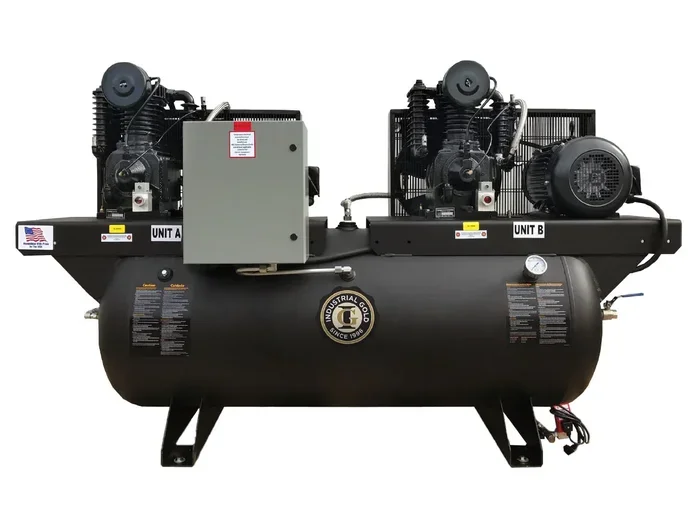
What Is a Compressor Used For And Why It Is So Important
A compressor is a machine that squeezes air or gas into a smaller space, building up pressure for many practical tasks. You use compressors every day, whether you realize it or not, from filling car tires to running factory equipment. Understanding what a compressor is used for helps you pick the right machine for home, work, or DIY projects. This guide covers the main uses, types, and benefits so you can make a smart choice.
Have you ever wondered how air gets into your car tires so quickly? Or how painters achieve that smooth, flawless finish on a wall? The answer is simple. A compressor does the heavy lifting behind the scenes. What is a compressor used for? More than you might think. These machines are everywhere, from small garages to massive factories. They make countless tasks faster, easier, and more efficient. In this guide, we will break down everything you need to know about compressors and why they are so important in everyday life.
A compressor takes air or gas and squeezes it into a smaller volume. This process increases pressure. That built-up pressure can then do useful work. Think of it like a balloon. When you blow air into a balloon, you are compressing air inside it. A compressor does the same thing, but much more powerfully and with a purpose. The compressed air or gas can then be stored in a tank or used right away to power tools, inflate objects, or run systems.
The beauty of a compressor lies in its simplicity and versatility. There is a compressor for nearly every task, big or small. Whether you are a weekend warrior working in your garage or a professional running a construction site, there is a machine built for you. Let us dive into the many ways compressors are used and why they are such a valuable tool to own.
Key Takeaways
- Versatile Tool: Compressors power pneumatic tools, inflate tires, and run spray painters for both home and industrial use.
- Multiple Types Available: Reciprocating, rotary screw, and portable compressors each serve different needs and budgets.
- Key Factors to Consider: CFM ratings, PSI levels, tank size, and power source all affect which compressor is right for you.
- Regular Maintenance Matters: Simple upkeep like draining the tank and changing filters keeps your compressor running smoothly for years.
- Energy and Cost Savings: The right compressor can lower energy bills and boost productivity in workshops and job sites.
📑 Table of Contents
What Is a Compressor Used For: The Main Applications
Compressors serve a wide range of purposes across many different settings. They are not just for industrial environments. Homeowners and hobbyists use them regularly too. Here are the most common applications where compressors shine.
Powering Pneumatic Tools
One of the biggest uses for a compressor is powering pneumatic tools. These are tools that run on compressed air instead of electricity. Common examples include impact wrenches, nail guns, sanders, and drills. Pneumatic tools are lighter, more powerful, and often more durable than their electric counterparts. A compressor used for running these tools gives you freedom on the job site. You do not need to worry about finding a power outlet or dealing with heavy cords. Just hook up your tool and get to work.
Many mechanics rely on air compressors every single day. An impact wrench powered by compressed air can loosen stubborn lug nuts in seconds. Without a compressor, that same job would take much longer and more effort. The same goes for carpenters who use nail guns. A compressor makes framing, roofing, and finishing work faster and more consistent.
Tire Inflation
Filling up your tires is one of the most common uses for a small compressor. A portable compressor lets you check and adjust tire pressure quickly at home. Proper tire pressure improves fuel efficiency, makes your car safer, and extends tire life. Instead of driving to a gas station with a coin-operated air pump, you can handle it yourself in your driveway.
Air compressors are also great for inflating other things. Sports balls, air mattresses, pool toys, and even inflatable boats all benefit from a good compressor. A small, portable unit can handle all of these tasks with ease. It is a simple addition to any household that saves time and money.
Paint Spraying and Finishing
If you have ever seen a professional paint job on a car or a freshly painted wall with a smooth finish, a compressor was likely behind it. Paint sprayers need a steady stream of compressed air to atomize paint and deliver it evenly. This creates a finish that looks far better than brush or roller work. What is a compressor used for in painting? It turns a messy, uneven job into a clean, professional result.
Homeowners who like to do DIY projects love paint sprayers powered by compressors. Whether you are painting a fence, refinishing furniture, or touching up walls, a compressor with a paint sprayer attachment makes the job quicker and the results cleaner. You use less paint, create less mess, and save hours of work.
HVAC and Refrigeration Systems
Compressors play a critical role in heating and cooling systems. Your air conditioner and refrigerator both rely on a compressor to function. The compressor moves refrigerant through the system, changing it from a gas to a liquid and back again. This cycle is what allows your home to stay cool in summer and your food to stay cold in winter.
Without a working compressor, your HVAC system simply cannot cool your home. This is why compressor maintenance is so important for homeowners. A failing AC compressor can lead to expensive repairs or even a full system replacement. Keeping your system well-maintained helps it run efficiently and last longer.
Industrial and Manufacturing Uses
In factories and manufacturing plants, compressors are the backbone of operations. They power heavy machinery, operate conveyor systems, and run pneumatic robots. Industrial compressors are much larger than the ones you would find in a home garage, but they work on the same basic principle. They compress air and deliver it at high pressure for demanding tasks.
Many manufacturing plants also use compressors for cleaning. Blasts of compressed air are used to remove dust, debris, and contaminants from products and machinery. This is faster and more effective than manual cleaning. In industries like food processing, pharmaceuticals, and electronics, clean compressed air is essential for maintaining quality and safety standards.
Cleaning and Dust Removal
You do not need to be in a factory to use compressed air for cleaning. Many people use small compressors with blow guns to clean their workbenches, computers, keyboards, and even cars. A quick burst of compressed air blows away dust and debris that would be hard to reach otherwise. It is a simple but incredibly useful application that many people overlook.
Compressed air dusters are popular for cleaning electronics. They safely remove dust from inside computers and gaming consoles without touching sensitive components. A small compressor with a nozzle attachment gives you unlimited compressed air for all kinds of cleaning tasks around the house and workshop.
Types of Compressors You Should Know About
Not all compressors are the same. Different types serve different purposes, and understanding the options helps you choose the right one. Here are the most common types you will encounter.
Reciprocating Compressors
Reciprocating compressors use a piston that moves back and forth inside a cylinder. This motion compresses the air and pushes it into a tank. These compressors are common in home garages and small workshops. They are affordable, reliable, and available in a wide range of sizes. If you need a compressor for light-duty tasks like inflating tires or running a nail gun, a reciprocating model is a great choice.
One thing to keep in mind is that reciprocating compressors can be noisy. The piston movement creates a lot of vibration and sound. However, many models come with sound-dampening features that make them more tolerable for home use. They also tend to need more maintenance than other types because they have more moving parts.
Rotary Screw Compressors
Rotary screw compressors use two spinning screws to compress air. They are smoother, quieter, and more efficient than reciprocating models. These compressors are popular in industrial settings where continuous operation is needed. They can run for long periods without overheating and require less maintenance over time.
The downside is cost. Rotary screw compressors are more expensive upfront than reciprocating models. However, their efficiency and durability often make them a better long-term investment for businesses and heavy-duty applications. If you run a workshop or a construction company, the higher price tag can be worth it.
Portable Compressors
Portable compressors are small, lightweight, and easy to move around. They are perfect for homeowners, campers, and people who need compressed air on the go. You can plug a portable compressor into a standard household outlet, and it will handle light tasks like tire inflation and small pneumatic tools.
Some portable compressors are so compact they fit in a toolbox. These mini units are great for emergencies or quick jobs around the house. If you are wondering about what kind of generator you need for your house to power a portable compressor during outages, a small portable generator usually works well. Just make sure the generator has enough wattage to handle the compressor’s motor startup.
Centrifugal Compressors
Centrifugal compressors use a spinning impeller to accelerate air and then slow it down to increase pressure. These are high-speed machines designed for very large-scale applications. You will find them in oil refineries, natural gas processing plants, and large HVAC systems. They are not practical for home or small business use, but they are essential in heavy industry.
Centrifugal compressors can handle enormous volumes of air or gas. They are also energy-efficient at high capacities. However, they require specialized maintenance and a significant upfront investment. For most everyday users, a reciprocating or rotary screw compressor will cover all your needs.
How to Choose the Right Compressor for Your Needs
Choosing the right compressor can feel overwhelming with so many options available. But it does not have to be complicated. A few key factors will guide your decision and help you find the perfect match for your needs.
Understand CFM and PSI Ratings
CFM stands for cubic feet per minute, and it measures how much air a compressor delivers. PSI stands for pounds per square inch, and it measures the pressure. Different tools require different CFM and PSI levels. Before buying a compressor, check the requirements of the tools you plan to use.
For example, a simple nail gun might only need 2 to 3 CFM at 90 PSI. But an impact wrench could require 5 to 10 CFM at the same pressure. Always choose a compressor that exceeds your tool’s requirements. This gives you room to add more tools later and prevents the compressor from running constantly.
Consider Tank Size
The tank stores compressed air for you to use when needed. Larger tanks mean longer run times between refills. If you are doing continuous work like sanding or painting, a bigger tank is better. For intermittent tasks like inflating tires, a smaller tank works just fine.
Tank size also affects the compressor’s footprint. Larger tanks take up more space in your garage or workshop. Measure your available space before making a purchase. A compact compressor with a smaller tank might be all you need if you only use it occasionally.
Electric vs. Gas-Powered
Electric compressors are the most popular choice for home use. They are quieter, cleaner, and easier to maintain than gas-powered models. You just plug them in and go. They work well indoors and outdoors, as long as you have access to an outlet.
Gas-powered compressors are better for remote job sites where electricity is not available. They are also more powerful and can handle heavier-duty tasks. However, they produce exhaust fumes and are louder. If you plan to use a compressor indoors, an electric model is the safer and more practical choice. For backup power, you might consider pairing your compressor with a whole home generator so you can keep working even during power outages.
Budget and Long-Term Value
Compressors range in price from under $100 for small portable models to several thousand dollars for industrial units. Your budget plays a big role in your decision. But remember, the cheapest option is not always the best value. A higher-quality compressor may cost more upfront but last longer, perform better, and save you money on repairs over time.
Think about how often you will use the compressor and what tasks you need it for. If you only inflate tires once a month, a budget model is perfectly fine. But if you run a workshop full of pneumatic tools, investing in a quality compressor pays off in the long run.
Compressor Maintenance Tips for Long Life
Like any tool, a compressor needs regular care to perform at its best. Simple maintenance habits can extend the life of your machine by many years. Here are the most important steps to follow.
- Drain the Tank Regularly: Moisture builds up inside the tank over time. Drain it after every use to prevent rust and corrosion. Most tanks have a drain valve at the bottom. Just open it and let the water out.
- Check the Oil Level: Many compressors need oil to keep the pump running smoothly. Check the oil level before each use and change it according to the manufacturer’s recommendations.
- Clean or Replace Air Filters: Dirty filters restrict airflow and make the compressor work harder. Inspect your filters regularly and clean or replace them as needed. This simple step improves efficiency and saves energy.
- Inspect Hoses and Fittings: Leaks in hoses or fittings waste compressed air and reduce performance. Check all connections for leaks and tighten or replace them as needed. A simple soapy water test can reveal leaks quickly.
- Store Properly: Keep your compressor in a clean, dry place when not in use. Protect it from moisture, dust, and extreme temperatures. Proper storage prevents damage and keeps it ready for the next job.
Following these maintenance tips takes only a few minutes each time you use the compressor. But the payoff is huge. A well-maintained compressor runs more efficiently, uses less energy, and lasts significantly longer than one that is neglected. Think of it as a small investment that pays big returns over time.
Why Compressors Are So Important
Compressors might seem like a simple machine, but their impact is enormous. They power industries, make homes more comfortable, and help people complete projects faster and better. Without compressors, many tasks we take for granted would be much harder, slower, or even impossible.
In homes, compressors make DIY projects more enjoyable and achievable. You can paint, sand, build, and fix things with pneumatic tools that a compressor powers. In businesses, compressors keep operations running smoothly and efficiently. In healthcare, compressed air is used in medical devices and dental equipment. The applications are truly endless.
Another reason compressors are so important is energy efficiency. Compressed air is a clean, safe, and efficient source of power. Unlike electric motors, pneumatic tools do not overheat or create spark risks in certain environments. This makes compressors ideal for hazardous settings like chemical plants and mining operations.
Compressors also contribute to sustainability. Modern compressors are designed to be more energy-efficient than ever before. Variable speed drives and smart controls help reduce electricity consumption. As the world focuses more on reducing energy use and carbon emissions, compressors are evolving to meet these challenges.
Understanding what a compressor is used for gives you the knowledge to make better purchasing decisions and get more value out of your machine. Whether you are a homeowner tackling weekend projects or a business owner managing a fleet of pneumatic tools, a compressor is an investment that pays for itself many times over.
If you are considering purchasing a compressor, think about your specific needs first. Consider the tools you will run, the tasks you will perform, and the environment where you will use it. A little planning goes a long way toward finding the perfect compressor for your situation. And if you are curious about the costs involved, you might want to explore what a generator costs if you plan to pair it with your compressor for backup power during outages.
The bottom line is clear. Compressors are essential tools that make our lives easier and our work more efficient. They are versatile, reliable, and valuable in countless applications. Whether you need one for home use or professional work, there is a compressor out there that fits your needs. Take the time to understand your options, invest in quality, and enjoy the benefits that a good compressor brings to your projects and daily life.
Frequently Asked Questions
Can a small compressor run pneumatic tools effectively?
Yes, a small compressor can run many pneumatic tools, but you need to match the compressor’s CFM output to the tool’s requirements. Light-duty tools like nail guns and brad nailers work well with small portable compressors. However, heavier tools like impact wrenches or sanders may need a larger compressor with a higher CFM rating to perform properly.
How often should I drain my compressor tank?
You should drain your compressor tank after every use. Moisture from the air condenses inside the tank and can cause rust and corrosion over time. Draining takes just a few seconds and significantly extends the life of your compressor. Most tanks have a simple drain valve at the bottom that you open to release the water.
Is an electric or gas compressor better for home use?
An electric compressor is generally better for home use. It is quieter, cleaner, and easier to maintain. You can use it indoors without worrying about exhaust fumes. Gas compressors are better suited for remote job sites where electricity is not available. For most homeowners, an electric model covers all their needs perfectly.
What size compressor do I need for painting?
For painting with a sprayer, you typically need a compressor that delivers at least 4 to 6 CFM at 40 PSI. A compressor with a 20 to 30-gallon tank works well for most painting projects. If you are doing large-scale painting, consider a larger tank or a rotary screw compressor for continuous operation without frequent refills.
Can I use a compressor with a generator during a power outage?
Yes, you can use a compressor with a generator during a power outage. Make sure your generator has enough wattage to handle the compressor’s startup surge. A portable generator rated at 2000 to 4000 watts can typically handle a small to medium compressor. Check both the compressor and generator specifications before connecting them together.
How long does a compressor last with proper maintenance?
A well-maintained compressor can last 10 to 15 years or more, depending on the type and usage. Regular tasks like draining the tank, changing oil, and cleaning filters make a big difference. Industrial compressors often last even longer with professional maintenance schedules. Investing a little time in upkeep saves you money on replacements and repairs.
=== CONCLUSION ===
What a compressor is used for goes far beyond just inflating tires. These machines power tools, run HVAC systems, spray paint, clean workspaces, and keep industries moving. From small portable units for home use to massive industrial compressors for factories, there is a compressor for every need and budget. Understanding the different types, applications, and maintenance requirements helps you get the most out of your investment. Whether you are a DIY enthusiast or a professional tradesperson, a quality compressor is one of the most useful tools you can own. Take the time to choose the right one, care for it properly, and it will serve you well for many years to come.