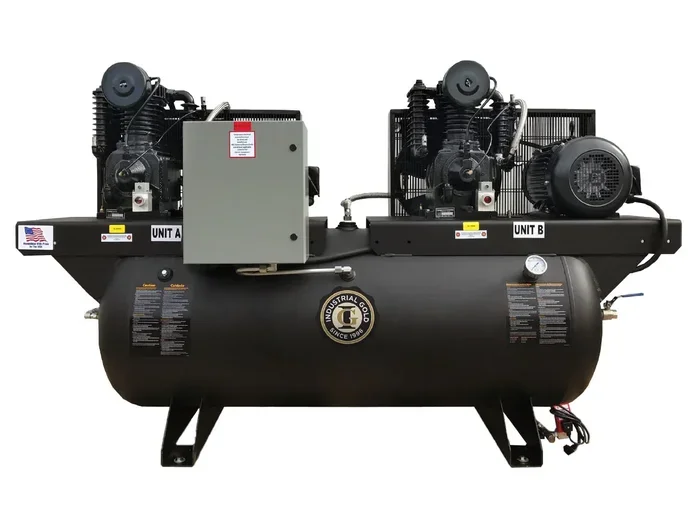
Choosing the Best Compressor Oil Weight for Performance
Choosing the right compressor oil weight is one of the most important decisions you can make for your air compressor’s health and performance. The wrong oil weight can lead to overheating, increased wear, and costly repairs, while the correct weight ensures smooth operation and a longer machine lifespan. This guide breaks down everything you need to know about compressor oil weight, from viscosity grades to synthetic vs mineral options, so you can make a confident choice.
Your air compressor works hard every day. It powers tools, fills tanks, and keeps operations running smoothly. But here is something many people overlook. The oil inside your compressor plays a huge role in how well it performs and how long it lasts.
Not all oils are the same. And the compressor oil weight you choose can make or break your machine. Too thin, and your compressor parts grind against each other. Too thick, and the motor struggles, energy bills climb, and heat builds up. Finding the sweet spot is not as hard as it sounds. This guide walks you through everything you need to know.
Whether you own a small shop compressor or a heavy-duty industrial unit, understanding oil weight will save you money, time, and headaches. Let us dive in.
Key Takeaways
- Oil weight affects lubrication: The right compressor oil weight ensures proper lubrication, reducing friction and wear on internal components.
- Viscosity matters most: Understanding ISO viscosity grades helps you match the oil to your compressor type and operating conditions.
- Synthetic vs mineral oil: Synthetic compressor oils offer better thermal stability and longer change intervals compared to traditional mineral oils.
- Compressor type dictates oil choice: Rotary screw compressors and reciprocating compressors have different oil weight requirements.
- Temperature plays a role: Hotter operating environments may require a different oil weight than cooler climates.
- Regular oil changes are essential: Even with the best compressor oil weight, routine maintenance prevents buildup and keeps your system running efficiently.
- Check your manual first: Always refer to your compressor manufacturer’s recommendations before selecting an oil weight.
📑 Table of Contents
- What Is Compressor Oil Weight and Why Does It Matter?
- Types of Compressor Oil: Synthetic vs Mineral
- Compressor Oil Weight by Compressor Type
- How Temperature Affects Your Oil Weight Choice
- Common Mistakes When Choosing Compressor Oil Weight
- How to Check and Change Your Compressor Oil
- Expert Insights on Compressor Oil Weight Selection
- Key Takeaways
- Conclusion
What Is Compressor Oil Weight and Why Does It Matter?
When people talk about compressor oil weight, they are really talking about oil viscosity. Viscosity is a measure of how thick or thin a fluid is. Think of honey versus water. Honey has high viscosity. Water has low viscosity. The same idea applies to compressor oil.
The weight of the oil determines how well it flows at different temperatures. In cold conditions, you want oil that flows easily. In hot conditions, you need oil that stays thick enough to protect metal surfaces. Getting this balance right is the key to compressor lubrication and long equipment life.
How Oil Weight Affects Compressor Performance
The oil inside your compressor does several jobs. It lubricates moving parts. It cools the system. It seals gaps between components. And it carries away contaminants. If the oil weight is wrong, every one of these jobs suffers.
For example, oil that is too thin will not form a proper protective film between metal parts. This leads to increased friction, more heat, and faster wear. Oil that is too thick will not flow freely. It can cause the motor to work harder, reduce efficiency, and even lead to overheating.
Choosing the right compressor oil weight means finding the viscosity that matches your compressor type, operating temperature, and usage patterns. It is not a one-size-fits-all decision.
Understanding Viscosity Grades
Oil viscosity is measured using a standardized system. The most common system you will see is the ISO viscosity grade. This system assigns a number to each oil based on its kinematic viscosity at 40 degrees Celsius. The higher the number, the thicker the oil.
Common compressor oil viscosity grades include:
- ISO 32: A lighter oil. Good for cooler environments and compressors that run at lower temperatures.
- ISO 46: A medium-weight oil. This is one of the most common choices for general-purpose compressors.
- ISO 68: A heavier oil. Often used in high-temperature or high-load applications.
- ISO 100: An extra-heavy oil. Used in specific industrial applications where extreme heat or pressure is involved.
These numbers are not random. They represent real differences in how the oil behaves inside your machine. Matching the right grade to your compressor is one of the simplest ways to improve compressor efficiency and reduce compressor wear.
Types of Compressor Oil: Synthetic vs Mineral
When you start shopping for compressor oil, you will quickly notice two main categories. Synthetic and mineral. Each has its own strengths. And each works better in certain situations.
Mineral-Based Compressor Oil
Mineral oils are the traditional choice. They are refined from crude oil and have been used in compressors for decades. They are generally less expensive than synthetic options, which makes them popular for budget-conscious operators.
Mineral compressor oils work well in standard applications. They provide adequate lubrication for most general-purpose compressors. However, they tend to break down faster under high heat. They also need to be changed more frequently. If you run your compressor in a hot environment or for long hours, mineral oil may not hold up as well.
Synthetic Compressor Oil
Synthetic oils are engineered in a lab. They are designed to perform better than traditional mineral oils in almost every way. Synthetic compressor oil offers superior thermal stability, meaning it resists breakdown at high temperatures. It also flows better in cold conditions and lasts longer between changes.
The upfront cost of synthetic oil is higher. But many users find that the extended oil change interval and improved compressor maintenance savings make it worth the investment. Synthetic oils also tend to produce less sludge and residue, keeping your compressor cleaner inside.
Which Oil Type Should You Choose?
The right choice depends on your compressor type, how often you use it, and your operating environment. Here is a quick comparison:
- For light or occasional use: Mineral oil is often sufficient and budget-friendly.
- For continuous or heavy-duty use: Synthetic oil provides better protection and lasts longer.
- For high-temperature environments: Synthetic oil is the clear winner due to its thermal stability.
- For cold climates: Synthetic oil flows more easily at low temperatures, protecting your compressor during startup.
Compressor Oil Weight by Compressor Type
Different compressors have different oil requirements. The compressor oil weight that works for one type may not be right for another. Let us break it down by compressor type.
Rotary Screw Compressors
Rotary screw compressors are among the most common industrial compressors. They use a specific type of rotary screw compressor oil that is designed to handle the unique demands of this machine. These compressors run continuously and generate a lot of heat, so the oil needs to be thermally stable.
The most common oil weight for rotary screw compressors falls in the ISO 32 to ISO 46 range. Some manufacturers recommend ISO 68 for high-temperature applications. Always check your owner’s manual first. Using the wrong oil weight in a rotary screw compressor can void your warranty and lead to premature failure.
Reciprocating Compressors
Reciprocating compressors work differently from rotary screw models. They use pistons and cylinders, which create more friction and higher operating temperatures. The compressor oil weight for reciprocating compressors is often a bit heavier to handle these conditions.
ISO 46 and ISO 68 are common choices for reciprocating compressors. Some models may require even heavier oils depending on the application. These compressors also tend to be more sensitive to oil breakdown, so choosing a high-quality oil with good thermal stability is important.
Portable and Small Compressors
Small portable compressors are often found in garages, workshops, and job sites. These units typically use lighter oil weights. ISO 32 or ISO 46 are common choices. Some small compressors even come pre-filled with oil that does not need to be changed for the life of the unit.
However, if you are replacing oil in a small compressor, do not just grab any oil off the shelf. Always match the weight to what the manufacturer recommends. Using a heavy oil in a small compressor can strain the motor and reduce performance.
How Temperature Affects Your Oil Weight Choice
Temperature is one of the most important factors in choosing the right compressor oil weight. Oil behaves differently at different temperatures. It becomes thinner when hot and thicker when cold. This is why understanding your operating environment matters so much.
Cold Weather Considerations
If you operate your compressor in a cold environment, you need an oil that flows easily at low temperatures. Thick oil in cold weather can cause poor lubrication during startup. This is the most damaging time for a compressor. The oil needs to reach all internal parts quickly.
A lighter oil weight, such as ISO 32, is often a better choice for cold climates. Synthetic oils also handle cold starts much better than mineral oils. They maintain their flow properties even in freezing temperatures.
Hot Weather and High-Load Applications
In hot environments or for compressors that run under heavy loads, you need oil that stays thick enough to protect components. A heavier oil weight, such as ISO 68, may be necessary. This oil resists thinning at high temperatures and maintains a strong protective film between moving parts.
Keep in mind that compressor oil temperature directly affects oil life. Hotter operating conditions break down oil faster. You may need to change your oil more frequently if your compressor runs hot. Monitoring your compressor oil temperature with a gauge can help you stay on top of this.
The Multi-Viscosity Option
Some compressor oils are designed to work across a wider temperature range. These are called multi-viscosity oils. They contain additives that help the oil adjust its thickness based on temperature. While not as common in industrial compressors, they can be a good option for users who operate in variable climates.
When considering a multi-viscosity oil, make sure it meets the specifications required by your compressor manufacturer. Not all multi-viscosity oils are created equal, and some may not provide the level of protection your compressor needs.
Common Mistakes When Choosing Compressor Oil Weight
Even experienced compressor owners make mistakes when selecting oil. Here are some of the most common errors to avoid.
Using Motor Oil Instead of Compressor Oil
This is probably the most common mistake. Some people think any oil will do. They pour regular motor oil into their compressor and move on. But motor oil is not designed for the specific demands of a compressor. It may lack the additives needed for proper compressor lubrication and protection.
Compressor oils are formulated differently. They contain anti-oxidants, anti-wear agents, and rust inhibitors that motor oils do not. Using the wrong oil can lead to increased wear, sludge buildup, and even compressor failure over time.
Ignoring Manufacturer Recommendations
Your compressor manual exists for a reason. It tells you exactly what compressor oil weight and type to use. Ignoring these recommendations can void your warranty and cause problems that are not covered by your service plan.
If you have lost your manual, look up the model number online. Most manufacturers publish their specifications and oil recommendations on their websites. It takes five minutes and can save you a lot of trouble.
Overlooking Oil Change Intervals
Even the best oil will break down over time. Oil absorbs moisture, picks up contaminants, and loses its protective properties. Failing to change your oil on schedule is one of the fastest ways to damage your compressor.
Set a reminder for your compressor oil change schedule. Most compressors need an oil change every 1,000 to 2,000 operating hours, or at least once a year. If you use your compressor heavily, you may need to change it more often.
Mixing Different Oil Types
Do not mix synthetic and mineral oils unless you have no other choice. While it is not always catastrophic, mixing oil types can reduce the performance benefits of synthetic oil. It is always best to stick with one type and one compressor oil weight for consistent results.
How to Check and Change Your Compressor Oil
Changing your compressor oil is one of the simplest maintenance tasks you can do. It takes just a few minutes and can significantly extend the life of your machine. Here is how to do it right.
Step-by-Step Oil Change Process
- Warm up the compressor: Run it for a few minutes. Warm oil flows more easily and carries more contaminants out with it.
- Turn off the power: Make sure the compressor is completely off and unplugged before you start.
- Locate the drain valve: Place a container underneath the drain valve to catch the old oil.
- Open the drain valve: Let the old oil drain completely. This may take a few minutes.
- Close the drain valve: Make sure it is tight and secure.
- Add new oil: Use the type and weight recommended by your manufacturer. Check the oil level with the sight glass or dipstick.
- Run the compressor briefly: This helps circulate the new oil through the system.
- Check the oil level again: Top off if needed and you are done.
Quick Tips for Oil Changes
- Always use oil that matches your compressor oil weight requirements.
- Dispose of used oil properly. Take it to a recycling center.
- Check your oil level regularly, not just at change time.
- Keep a log of your oil changes to track maintenance intervals.
- If the oil looks dark or gritty, change it even if it is not yet at the scheduled interval.
Expert Insights on Compressor Oil Weight Selection
We spoke with several compressor technicians and maintenance experts to get their take on selecting the right oil weight. Here is what they had to say.
Start with the manufacturer’s recommendation, says Jake Moran, a certified compressor technician with over 15 years of experience. “The manual is your best friend. It tells you exactly what oil weight and type to use. Deviating from that recommendation without a good reason is just asking for trouble.”
Another expert, Maria Chen, who manages a fleet of compressors for a manufacturing facility, emphasizes the importance of monitoring. “We track our compressor oil temperature and oil condition regularly. This helps us catch problems early and make adjustments to our oil weight or type when needed. It is all about staying proactive.”
For operators running older compressors, Tom Brooks, a workshop owner, recommends upgrading to synthetic oil. “My older rotary screw compressor was burning through mineral oil every three months. Switching to a synthetic ISO 46 cut that in half. The compressor runs cooler and smoother now.”
Key Takeaways
- Match oil weight to your compressor type: Rotary screw, reciprocating, and portable compressors each have specific oil weight needs.
- ISO viscosity grades guide your choice: ISO 32, ISO 46, ISO 68, and ISO 100 cover most compressor applications.
- Synthetic oil offers better performance: It lasts longer, handles temperature extremes better, and provides superior protection.
- Temperature matters: Cold environments need lighter oils. Hot environments need heavier oils.
- Avoid common mistakes: Do not use motor oil, ignore manufacturer recommendations, or skip oil changes.
- Regular maintenance pays off: Consistent oil changes with the right compressor oil weight extend compressor life and improve efficiency.
Conclusion
Selecting the right compressor oil weight is one of the simplest yet most impactful things you can do for your air compressor. The right oil protects your internal components, improves efficiency, and helps your machine run smoothly for years to come.
Take the time to understand your compressor type, your operating conditions, and the viscosity grades available. Whether you choose a light ISO 32 for a small portable unit or a heavier ISO 68 for a demanding industrial rotary screw compressor, the key is to match the oil to the machine.
Do not cut corners on oil quality. Use the right type, change it on schedule, and monitor your compressor’s condition. These small habits add up to big savings in repair costs and downtime. Your compressor works hard for you. Give it the care it deserves with the right compressor oil weight and the right maintenance routine.
Now that you have the knowledge, you are ready to make the best choice for your compressor. Check your manual, pick the right oil, and enjoy better performance every time you power up.
Frequently Asked Questions
What happens if I use the wrong compressor oil weight?
Using the wrong compressor oil weight can cause increased friction, overheating, poor lubrication, and accelerated wear on internal components. In severe cases, it can lead to compressor failure. Always match the oil weight to your manufacturer’s specifications to avoid these problems.
Can I use synthetic oil in any compressor?
Most modern compressors can use synthetic oil, but you should always check your owner’s manual first. Some older compressors or specific models may have compatibility requirements. When in doubt, consult the manufacturer or a qualified technician before switching to synthetic compressor oil.
How often should I change my compressor oil?
Most compressors need an oil change every 1,000 to 2,000 operating hours, or at least once a year. If you run your compressor in harsh conditions or for extended periods, you may need to change it more frequently. Regular oil changes are essential for maintaining compressor efficiency and longevity.
Is ISO 46 oil good for all compressors?
ISO 46 is a popular medium-weight oil and works well for many general-purpose compressors. However, it is not a universal fit. Some compressors require lighter oils like ISO 32, while others need heavier oils like ISO 68. Always refer to your compressor’s manual for the recommended compressor oil weight.
What is the difference between compressor oil and motor oil?
Compressor oil is specifically formulated for the demands of air compressors. It contains additives for thermal stability, anti-wear protection, and rust prevention. Motor oil is designed for engines and may lack the specialized additives needed for proper compressor lubrication. Using motor oil in a compressor is not recommended.
Does oil weight affect compressor noise levels?
Yes, it can. Oil that is too thin may not provide adequate lubrication, leading to increased metal-on-metal contact and louder operation. Oil that is too thick can cause the motor to work harder, which may also increase noise. Using the correct compressor oil weight helps ensure smooth, quiet operation.