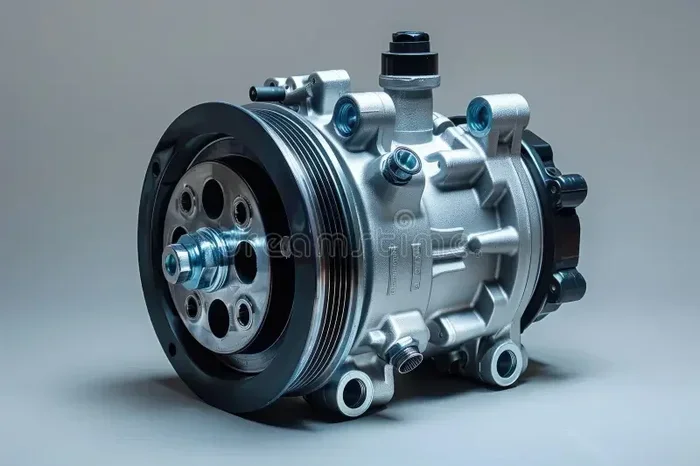
Why Is My AC Compressor Not Turning On And What To Do
Your AC compressor might not be turning on due to a tripped circuit breaker, a faulty capacitor, low refrigerant, or a bad contactor. This guide walks you through every common cause and the exact steps to fix each one. Whether your AC compressor won’t start or it clicks but never runs, you will find clear answers here.
There is nothing worse than a scorching summer day and your air conditioner just refuses to blow cold air. You stand there staring at the outdoor unit, waiting for the compressor to kick in, but nothing happens. Total silence. No humming. No rumbling. Just heat.
If you have ever asked yourself, why is my AC compressor not turning on, you are not alone. This is one of the most common HVAC problems homeowners face every single year. The good news? Most causes are simple and fixable. Some take just a few minutes. Others need a professional touch.
In this guide, we will walk through every reason your AC compressor might not start and exactly what you should do about it. We will cover electrical issues, mechanical failures, refrigerant problems, and even thermostat glitches. By the end, you will know what is going on and how to fix it.
Let’s get into it. Your cool air is not far away.
Key Takeaways
- Tripped Breaker or Fuse: The most common and easiest fix — check your electrical panel first.
- Bad Capacitor or Contactor: These small parts fail often and prevent the compressor from starting.
- Low Refrigerant: Low charge triggers a safety switch that stops the compressor from running.
- Thermostat Issues: A misconfigured or broken thermostat can send no signal to the compressor.
- Hard Starting Problems: Aging compressors struggle to kick on, especially in hot weather.
- Power Supply Problems: If you use a backup generator, power fluctuations can prevent the compressor from starting.
- When to Call a Pro: Some issues need a licensed HVAC technician — don’t risk your safety.
📑 Table of Contents
- Understanding How Your AC Compressor Works
- Common Reasons Your AC Compressor Is Not Turning On
- How to Troubleshoot Your AC Compressor Step by Step
- When Your Generator Is the Culprit
- Preventing Future AC Compressor Problems
- Cost Considerations for AC Compressor Repair and Replacement
- Key Takeaways
- FAQ
Understanding How Your AC Compressor Works
Before we dive into the fixes, it helps to understand what the compressor actually does. Think of the compressor as the heart of your air conditioning system. It pumps refrigerant through the coils, absorbing heat from inside your home and releasing it outside.
When the compressor turns on, it starts the cooling cycle. Without it, your air conditioner is just a big fan blowing warm air. That is why a compressor that will not start is such a big deal.
Here is a quick look at the basic parts involved:
- Compressor Motor: The engine that drives the compression process.
- Capacitor: Provides the electrical boost needed to start the motor.
- Contactor: An electrical switch that sends power to the compressor.
- Circuit Board: Sends signals based on thermostat input.
- Refrigerant Lines: Carry the coolant that enables cooling.
When any one of these parts fails, the compressor will not turn on. Let us now look at the most common reasons this happens.
Common Reasons Your AC Compressor Is Not Turning On
1. Tripped Circuit Breaker or Blown Fuse
This is the number one reason people call for help with their AC compressor not turning on. It is also the easiest to fix. Your electrical panel has a breaker dedicated to your HVAC system. When the unit pulls too much power or experiences a surge, the breaker trips.
Here is what to do:
- Go to your electrical panel.
- Look for the breaker labeled “HVAC” or “AC.”
- If it is in the middle position, switch it fully to “OFF” first.
- Then switch it back to “ON.”
If the breaker trips again immediately, do not keep resetting it. That signals a deeper electrical problem. You will need a professional to inspect the wiring or the compressor motor.
Also check your outdoor disconnect box near the condenser unit. Sometimes the switch there gets flipped accidentally. Make sure it is in the “ON” position.
2. Faulty Capacitor
The start capacitor and run capacitor are small cylindrical devices that store electrical energy. They give the compressor motor the extra push it needs to kick on. Without a working capacitor, your compressor simply will not start.
Capacitors fail regularly, especially in hot climates. Signs of a bad capacitor include:
- The compressor clicks but does not start.
- The unit hums but never fully engages.
- The AC blows warm air instead of cool air.
- You notice a bulging or leaking capacitor when you look at the outdoor unit.
Replacing a capacitor is relatively inexpensive, usually between $100 and $200 for the part and labor. However, capacitors hold a dangerous electrical charge even when the power is off. If you are not comfortable working with electrical components, leave this one to a licensed technician.
3. Bad Contactor
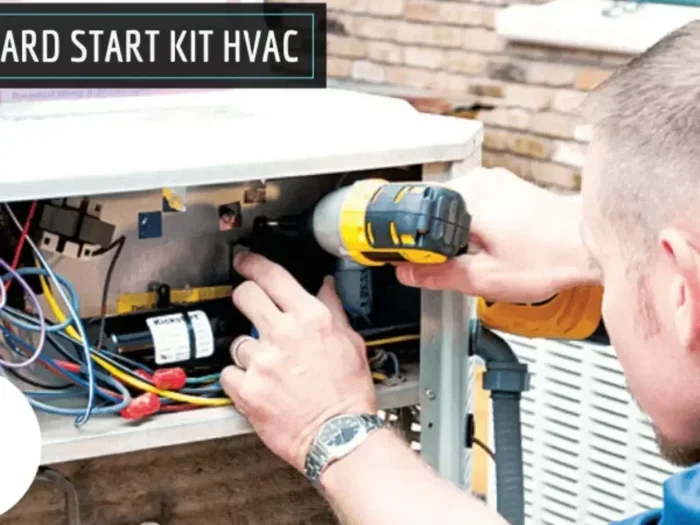
The contactor is essentially a relay switch. When your thermostat calls for cooling, the contactor closes and sends voltage to the compressor and condenser fan. Over time, the contactor’s contacts can wear out, pit, or become stuck.
A failing contactor often causes these symptoms:
- Clicking sounds coming from the outdoor unit with no follow-up action.
- The compressor and fan do not respond when the thermostat calls for cooling.
- Intermittent cooling — the unit works sometimes but not always.
Contactor replacement is a straightforward repair. An HVAC tech can swap it out in under an hour. The part itself usually costs between $50 and $150.
4. Low Refrigerant Levels
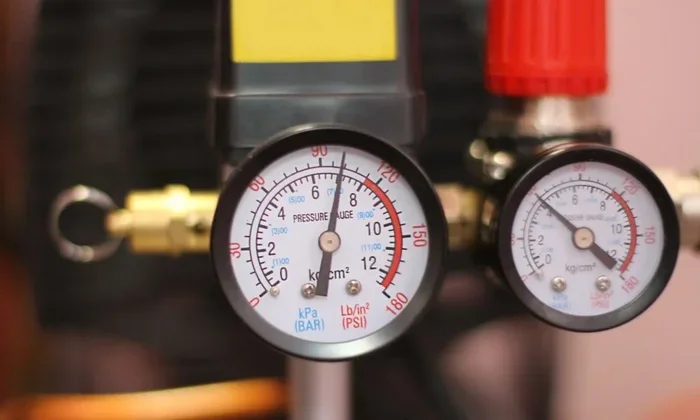
Your AC system runs on a closed loop of refrigerant. If there is a leak somewhere, the refrigerant level drops. When the level gets too low, a safety switch called a low-pressure switch shuts down the compressor to prevent damage.
This is one of the most overlooked reasons for AC compressor failure. Many homeowners do not realize their system is low on refrigerant until the compressor stops working entirely.
Signs of low refrigerant include:
- Ice buildup on the copper lines near the outdoor unit.
- The evaporator coil freezes up.
- The AC runs for long cycles but does not cool well.
- Hissing or bubbling sounds near the refrigerant lines.
A technician needs to find the leak, repair it, and recharge the system with the correct amount of refrigerant. This is not a DIY job for most homeowners.
5. Thermostat Problems
Sometimes the compressor is fine, but it never receives the signal to turn on. That is where the thermostat comes in. A malfunctioning thermostat can prevent your air conditioning compressor from starting even when the temperature in your home is way above your set point.
Try these troubleshooting steps first:
- Check that the thermostat is set to “Cool” mode.
- Make sure the temperature setting is lower than the room temperature.
- Replace the batteries if your thermostat uses them.
- Check for loose or corroded wiring at the thermostat terminals.
If none of that works, the thermostat itself may need replacement. Modern programmable and smart thermostats are affordable and can actually improve your system’s efficiency.
6. Compressor Overheating
Your compressor has a built-in thermal overload protector. If the unit gets too hot, it shuts down automatically to prevent a fire or motor burnout. Overheating can happen for several reasons:
- Dirty condenser coils: Debris, dirt, and leaves block heat dissipation.
- Poor airflow: Clogged filters or blocked vents restrict air movement.
- Direct sunlight: Units installed in full sun work harder in summer.
- Low refrigerant: Causes the compressor to overwork.
Keep your outdoor unit clean and free of obstructions. Trim back any plants or bushes at least two feet away from the condenser. Change your air filter every one to three months. These simple habits go a long way in preventing compressor overheating.
7. Electrical Wiring Issues
Loose, corroded, or damaged wiring can prevent power from reaching the compressor. This is especially common in older homes where the electrical system has not been updated. Rodents can also chew through wiring, causing intermittent or complete failures.
Signs of wiring problems include:
- The AC trips the breaker repeatedly.
- Burning smells near the outdoor unit.
- Visible frayed or discolored wires.
- The compressor works sometimes and not others with no clear pattern.
Electrical issues should always be handled by a qualified professional. Working on live electrical components is dangerous and can void your warranty.
How to Troubleshoot Your AC Compressor Step by Step
If your AC compressor will not turn on, here is a systematic approach to narrow down the problem. Work through these steps in order.
Step 1: Check the Thermostat. Make sure it is set to cool and the temperature is low enough to trigger a call for cooling. Replace the batteries if needed.
Step 2: Inspect the Circuit Breaker. Go to your electrical panel and check for any tripped breakers. Reset if necessary and observe what happens.
Step 3: Check the Outdoor Disconnect. Locate the disconnect box near your condenser unit and make sure the switch is on.
Step 4: Listen for Clicking. When you turn the thermostat to cool, go outside and listen. A single click from the contactor is normal. Repeated clicking without the compressor starting points to a capacitor or contactor issue.
Step 5: Inspect the Capacitor. If you can safely access the capacitor, look for bulging, leaking, or swelling. A damaged capacitor needs replacement.
Step 6: Check for Ice or Refrigerant Leaks. Look at the copper lines and the evaporator coil for ice buildup. This suggests low refrigerant.
Step 7: Call a Professional. If none of the above steps reveal the problem, it is time to bring in an HVAC technician. They have the tools and expertise to diagnose electrical, mechanical, and refrigerant issues safely.
When Your Generator Is the Culprit
Some homeowners run their AC on a backup generator during power outages. If you are doing this and your AC compressor is not turning on, the generator itself might be the problem.
Generators can experience issues that affect their ability to power HVAC systems reliably. For example, if your generator keeps turning off, it may not be providing stable enough power for the compressor to start. Voltage fluctuations can trip the compressor’s internal safety switches.
Similarly, if your generator shuts off after 30 minutes, the compressor might be trying to start during that shutdown window. This creates a frustrating cycle where the AC never gets a chance to run.
Here are some tips for running your AC on a generator:
- Make sure your generator is properly sized for your HVAC system. A unit that is too small will struggle to power the compressor.
- Check that the generator is running stable and consistent power output.
- If you are considering a whole-home backup, look into how much a whole-home generator costs before making the investment.
- For Generac systems specifically, check how much a Generac home generator costs to ensure you have the right model for your cooling needs.
- Consider what kind of generator you need for your house — portable units often cannot handle the startup surge of an AC compressor.
In many cases, the issue is simply that the generator cannot handle the compressor’s startup load. The compressor needs a significant burst of power to kick on, and undersized generators fail to deliver that consistently.
Preventing Future AC Compressor Problems
The best way to deal with a compressor that will not turn on is to prevent the problem from happening in the first place. Regular maintenance is your greatest ally here.
Here is a simple maintenance checklist every homeowner should follow:
- Change your air filter every one to three months.
- Clean the condenser coils at least once a year, preferably before summer.
- Check refrigerant lines for signs of leaks or ice buildup.
- Inspect electrical connections for corrosion or looseness.
- Schedule professional tune-ups annually — ideally in spring before the cooling season hits.
- Keep the area around the outdoor unit clear of debris, plants, and clutter.
- Listen to your unit during operation. Unusual sounds often signal developing problems.
A well-maintained compressor can last 15 to 20 years. Neglected systems often fail after 10 or 12 years. The difference is entirely in the care and maintenance you provide.
Cost Considerations for AC Compressor Repair and Replacement
When your compressor fails, one of the first questions is always about cost. The answer depends on the severity of the problem and the age of your system.
Here is a rough breakdown of common repair costs:
- Capacitor replacement: $100 to $250
- Contactor replacement: $100 to $200
- Refrigerant leak repair and recharge: $200 to $800 depending on the refrigerant type
- Circuit board replacement: $300 to $600
- Compressor replacement: $1,200 to $2,500
- Full AC system replacement: $4,000 to $10,000+
If your compressor is old and has failed completely, replacement might be the most cost-effective option. Sometimes the repair cost is close to the price of a new unit, especially if the system is over 10 years old.
Before committing to a replacement, get at least two or three quotes from licensed HVAC contractors. Compare the options and consider the efficiency ratings of new systems. A modern unit can save you significant money on energy bills over time.
Key Takeaways
- Start with the Basics: Check the thermostat, breaker, and disconnect box before assuming something is broken.
- Capacitors and Contactors Fail Often: These are the most common mechanical causes of compressor startup failure.
- Low Refrigerant Shuts Down the Compressor: A safety feature, not a random failure — find the leak and fix it.
- Generators Can Cause Compressor Issues: If you run AC on backup power, make sure your generator is properly sized and stable.
- Regular Maintenance Prevents Most Problems: A little care goes a long way in extending compressor life.
- Know When to Call a Pro: Electrical and refrigerant issues are dangerous and should be handled by trained professionals.
- Replacement May Be Better Than Repair: For older systems, a new compressor or full system can save money and improve efficiency.
FAQ
Why does my AC compressor click but not turn on?
A clicking sound usually means the contactor is engaging but the compressor motor is not starting. This is most often caused by a failing capacitor. The capacitor provides the initial electrical boost, and when it goes bad, the compressor clicks but never kicks on. A technician can test the capacitor and replace it if needed.
Can low refrigerant cause the AC compressor to stop working?
Yes. When refrigerant levels drop too low, the low-pressure switch activates and shuts down the compressor to prevent damage. Low refrigerant is almost always caused by a leak somewhere in the system. You will need a professional to locate the leak, repair it, and recharge the refrigerant.
Is it safe to reset my AC compressor breaker myself?
Yes, it is safe to flip a tripped breaker back on once. However, if the breaker trips again immediately, stop resetting it. Repeated tripping indicates a serious electrical problem that needs professional attention. Keep pushing the breaker back on can damage your electrical system.
How do I know if my AC compressor is overheating?
Signs of compressor overheating include the unit shutting off after running for a short time, warm air blowing from vents, and the outdoor unit feeling extremely hot to the touch. Check your air filter, clean the condenser coils, and make sure there is adequate airflow around the outdoor unit. If the problem persists, call a technician.
Can a bad thermostat stop my AC compressor from turning on?
Absolutely. The thermostat sends the signal that tells the compressor to start. If the thermostat is broken, misconfigured, or has dead batteries, it will not send that signal. Try replacing the batteries, checking the settings, or upgrading to a new programmable thermostat to rule out this simple cause.
Should I repair or replace my AC compressor?
This depends on the age of your system and the cost of the repair. If your system is under 10 years old, repair is usually the better choice. If it is over 15 years old and the compressor has failed, replacing the entire unit is often more cost-effective. A new system will also be more energy-efficient, which can lower your utility bills significantly.



One Comment